What Is the Best Frying Pan for Everyday Cooking?
Finding the best frying pan for your daily culinary needs is a fundamental step in building a functional kitchen. With numerous materials and sizes available, selecting a versatile tool requires understanding how different surfaces react to heat and food. An everyday cooking pan must balance durability, ease of maintenance, and consistent performance across various recipes. This guide explores essential factors to consider, helping you choose high-quality cookware for frying that simplifies your routine and improves your results.
What Makes a Frying Pan Good for Everyday Cooking?
An everyday pan is the primary workhorse of the kitchen, used for everything from browning proteins to sautéing vegetables. For a tool to earn this status, it must exhibit specific physical characteristics that support repetitive use.

Balanced Heat Distribution and Retention
A high-quality pan should heat evenly across its entire base. "Hot spots"—areas that become significantly warmer than others—often lead to uneven results, where food burns in the center while remaining raw at the edges. Professional-grade frying pans often utilize multi-clad construction, sandwiching a highly conductive metal like aluminum or copper between layers of stainless steel to ensure lateral heat spread.
Ergonomics and Weight Management
Since you will handle this pan daily, the weight must be manageable. A pan that is too heavy can cause wrist fatigue when tossing ingredients, while a pan that is too light may warp or have poor heat retention. The handle design is equally critical. Look for an ergonomic, "stay-cool" handle that remains comfortable to touch during standard cooking intervals, providing a secure grip when moving the vessel from the stovetop to the counter.
Structural Durability and Longevity
Daily use involves frequent cleaning and contact with utensils. The best frying pan for a busy household is one that resists warping and surface degradation. If you choose a coated surface, the quality of the bonding process determines how many years the pan will maintain its release properties. For metal surfaces, the thickness of the material (measured in gauge or ply) indicates its ability to withstand thermal expansion and contraction without losing its flat profile.
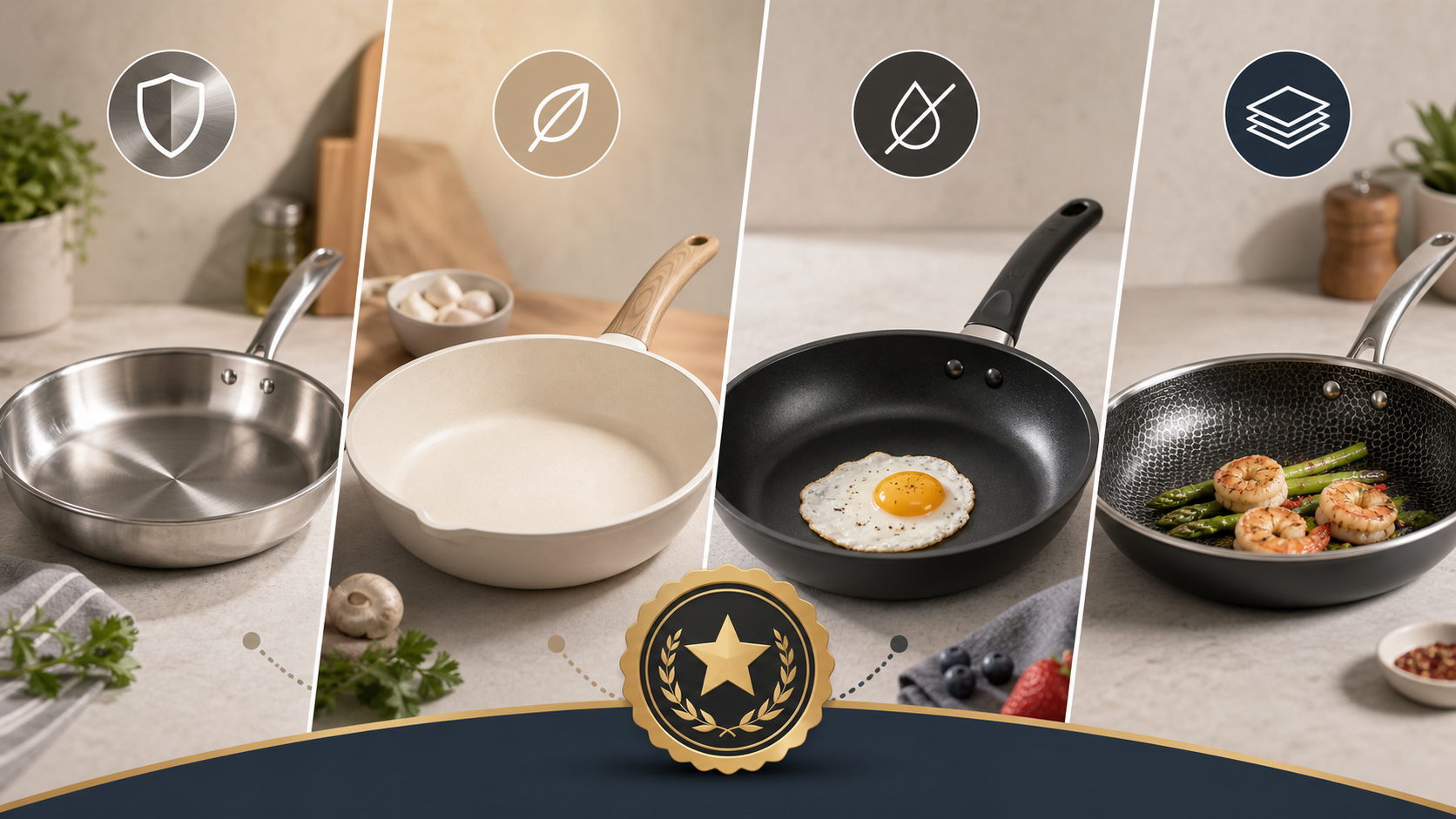
Compare Nonstick, Stainless Steel, and Ceramic Options
No single material is ideal for every task, but comparing the three most popular options allows you to match a pan to your specific cooking style and preference for maintenance.
The Efficiency of a Nonstick Frying Pan
A nonstick frying pan is widely favored for its convenience, especially when preparing delicate proteins like eggs or fish.
- Low-Fat Cooking: These surfaces require minimal butter or oil, making them a practical choice for health-conscious individuals.
- Easy Cleanup: Food residues generally slide off with a simple wipe, reducing the time spent at the sink.
- Limitations: Most traditional nonstick coatings are sensitive to metal utensils and are generally restricted to low-to-medium heat settings to prevent the breakdown of the coating.

The Durability of a Stainless Steel Frying Pan
A stainless steel frying pan is often the choice for those who prioritize longevity and professional techniques.
- Non-Reactive Surface: Stainless steel does not react with acidic foods like tomatoes or wine, ensuring the flavor of your ingredients remains pure.
- Superior Searing: The ability of metal to maintain steady heat makes it ideal for developing a golden-brown crust on meats.
- Dishwasher Safe: Most stainless models are rugged enough for the dishwasher and can handle metal spatulas without surface damage, although hand-washing is often recommended to maintain the finish.
The Modern Appeal of Ceramic Surfaces
Ceramic-coated pans offer a middle ground between traditional nonstick and metal.
- PFOA and PFAS Free: Many users choose ceramic because it is typically manufactured without the chemicals found in older nonstick technologies.
- Aesthetic Variety: Ceramic pans often come in a wide range of colors and modern designs, making them attractive for serving directly at the table.
- Maintenance Needs: While slick initially, ceramic can be prone to "micro-cracks" if subjected to sudden temperature changes, meaning they require gentle handling to preserve their nonstick effectiveness.
Choose the Right Size for Your Kitchen
Selecting the correct diameter for your everyday cooking pan ensures that you have enough space for your ingredients without occupying excessive room on your stovetop or in your cabinets.

The 8-Inch Pan for Small Tasks
An 8-inch pan is a specialized tool perfect for solo meals. It is the ideal size for a two-egg omelet or for toasting a small handful of nuts or spices. Because the surface area is small, it reaches the desired temperature rapidly, making it an efficient choice for quick morning tasks where you do not need the bulk of a larger vessel.
The 10-Inch Universal All-Rounder
Most experts consider the 10-inch diameter to be the best frying pan size for general versatility. It provides roughly 80 square inches of surface area, which is sufficient to cook two chicken breasts or a medium-sized vegetable sauté. It fits comfortably on most standard residential burners and is light enough for easy maneuvering during daily meal preparation.
The 12-Inch High-Volume Skillet
If you frequently cook for three or more people, a 12-inch pan is a necessity. The primary benefit of a larger pan is the prevention of "overcrowding." When food is packed too tightly, the moisture cannot evaporate, causing the ingredients to steam rather than fry. A 12-inch pan provides the extra real estate needed to achieve a crisp texture on larger quantities of food, though it may be heavier to lift.
Check Stove Compatibility Before Buying
The effectiveness of your cookware for frying depends heavily on how it interacts with your specific heat source. Not all pans are compatible with every stovetop technology.
Requirements for Induction Cooktops
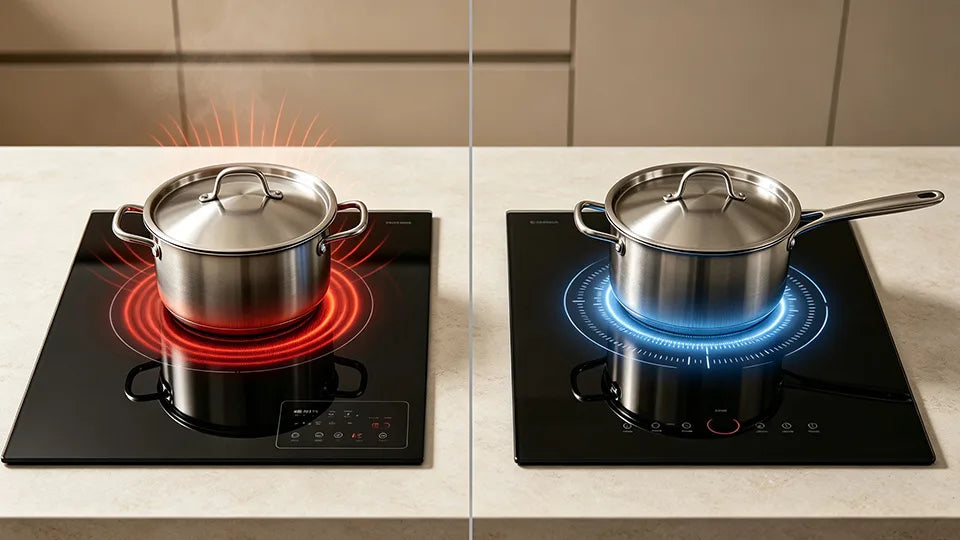
Induction stoves use electromagnetic energy to heat the pan directly. For a pan to work on induction, it must have a magnetic base. Most stainless steel frying pan models are compatible, but many aluminum-based nonstick pans are not unless they feature a bonded steel plate on the bottom. To verify compatibility, check if a magnet sticks firmly to the base of the pan.
Considerations for Gas and Electric Coils
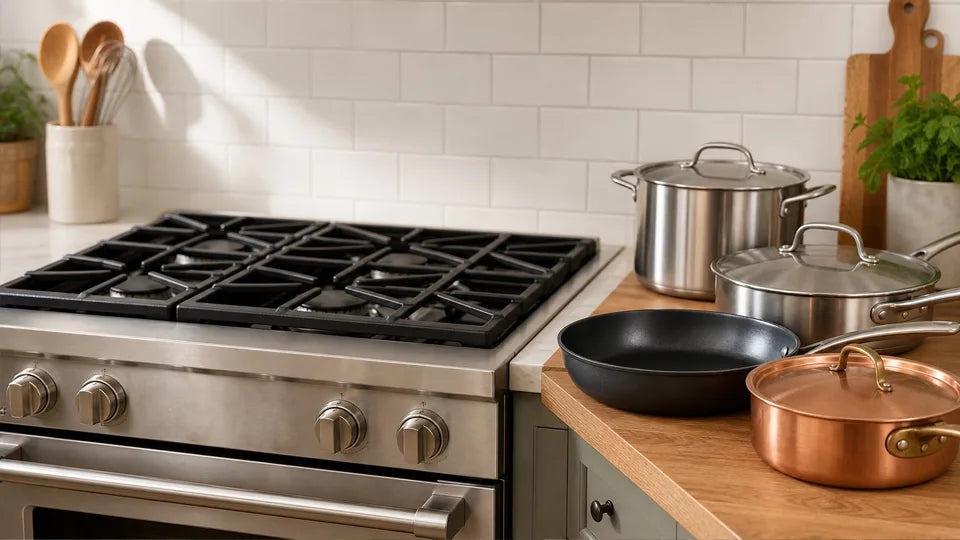
Gas stoves provide a visual flame that wraps around the base of the pan, making them compatible with almost any material. However, gas can cause discoloration on the exterior of some pans over time. Electric coil stoves require a pan with a perfectly flat and heavy bottom to ensure consistent contact with the heating element. If the base of the pan is thin or warped, heat transfer will be inefficient and uneven.
Protect Glass and Ceramic Surfaces
Radiant glass-top stoves are sensitive to weight and scratches. When choosing from the best frying pans, ensure the base is smooth and free of burrs that could mar the glass surface. Additionally, avoid dragging heavy pans across the surface. Lightweight materials like hard-anodized aluminum or high-quality ceramic are often easier to manage on these delicate cooktops.
Look for Practical Everyday Features
Beyond material and size, small design details can significantly impact the ease of use of your everyday cooking pan.
Handle Construction: Riveted vs. Welded
Handles are typically attached in two ways: rivets or welding.
- Riveted Handles: Secured by metal bolts for extreme durability. They pass a 160kg (350 lbs) load test but can trap food residue around the interior heads.
- Welded Handles: Offer a smooth interior for effortless cleaning. Utilizing multi-point industrial welding, high-quality frying pans withstand a 120kg (260 lbs) load test without compromising hygiene.

Rim Design for Drip-Free Pouring
Look for a pan with a flared or rolled rim. A flared rim allows you to pour liquids, such as sauces or rendered fats, cleanly without them dripping down the side of the pan and onto the stovetop. This small feature makes a significant difference in maintaining a clean workspace during a busy cooking session.
Lid Availability and Seal Quality
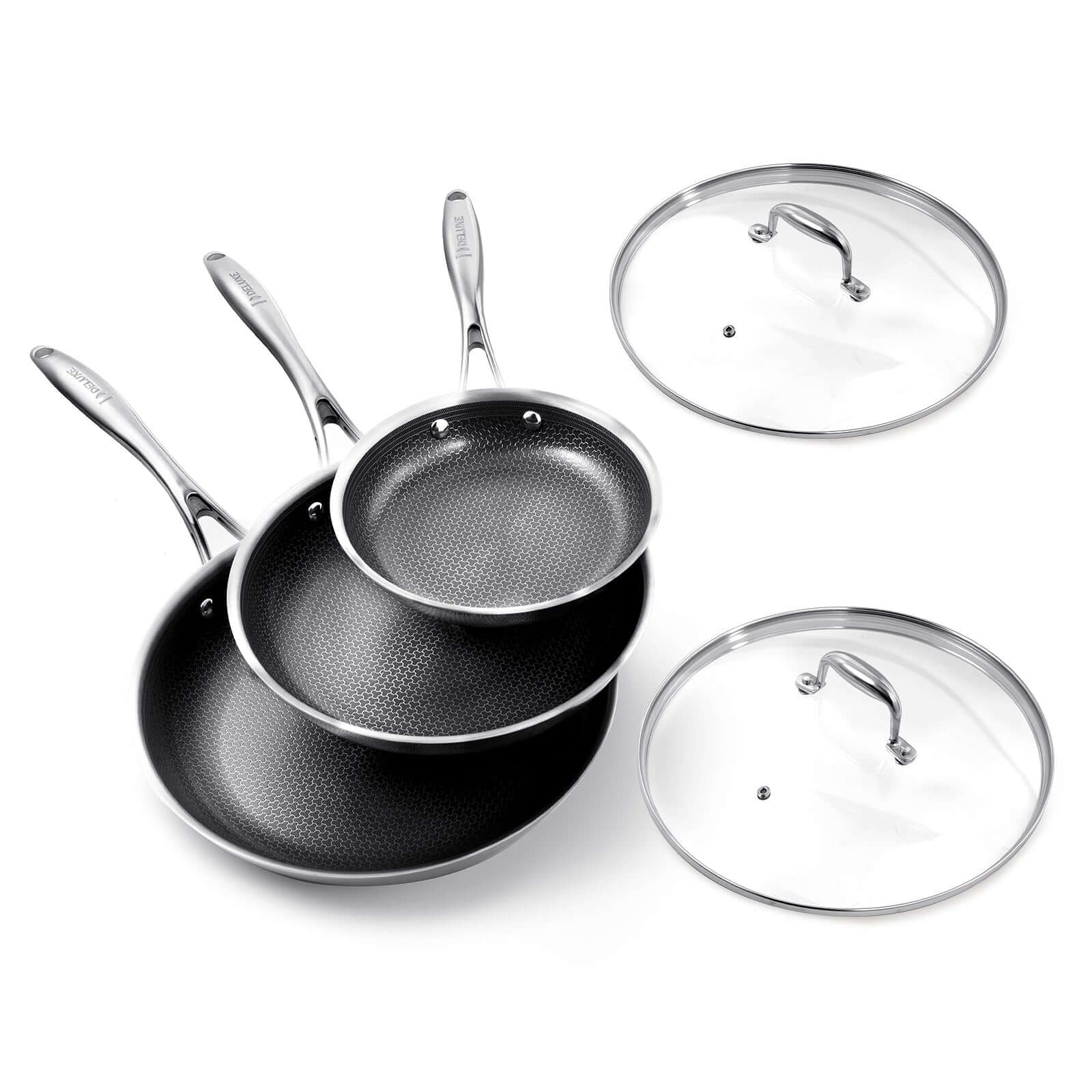
While not all frying pans come with lids, having a well-fitting glass or stainless steel lid adds immense versatility. A lid allows you to steam vegetables, melt cheese on burgers, or finish thick cuts of protein without losing moisture. Glass lids are particularly useful for everyday cooking as they allow you to monitor progress without lifting the cover and releasing heat.
Avoid Common Buying Mistakes
Many consumers end up with a pan that does not suit their needs because they prioritize the wrong factors. Being aware of these pitfalls can save you money and frustration.
Prioritizing Initial Price Over Long-Term Value
It is tempting to buy the cheapest pan available, but thin, budget-friendly pans are prone to "spinning" or warping after just a few uses. Once a pan loses its flat profile, it will never cook evenly again. Investing a bit more in a mid-range everyday cooking pan with a thick, multi-ply base usually results in a lower cost per use over several years.

Ignoring Specific Maintenance Requirements
If you know you prefer using the dishwasher, do not buy a pan that is "Hand Wash Only." Similarly, if you primarily use metal utensils, a delicate nonstick frying pan will likely be damaged within months. Be honest about your kitchen habits and choose a material that fits your existing routine rather than one that requires you to change how you work.
Buying Large Sets Instead of Quality Individuals
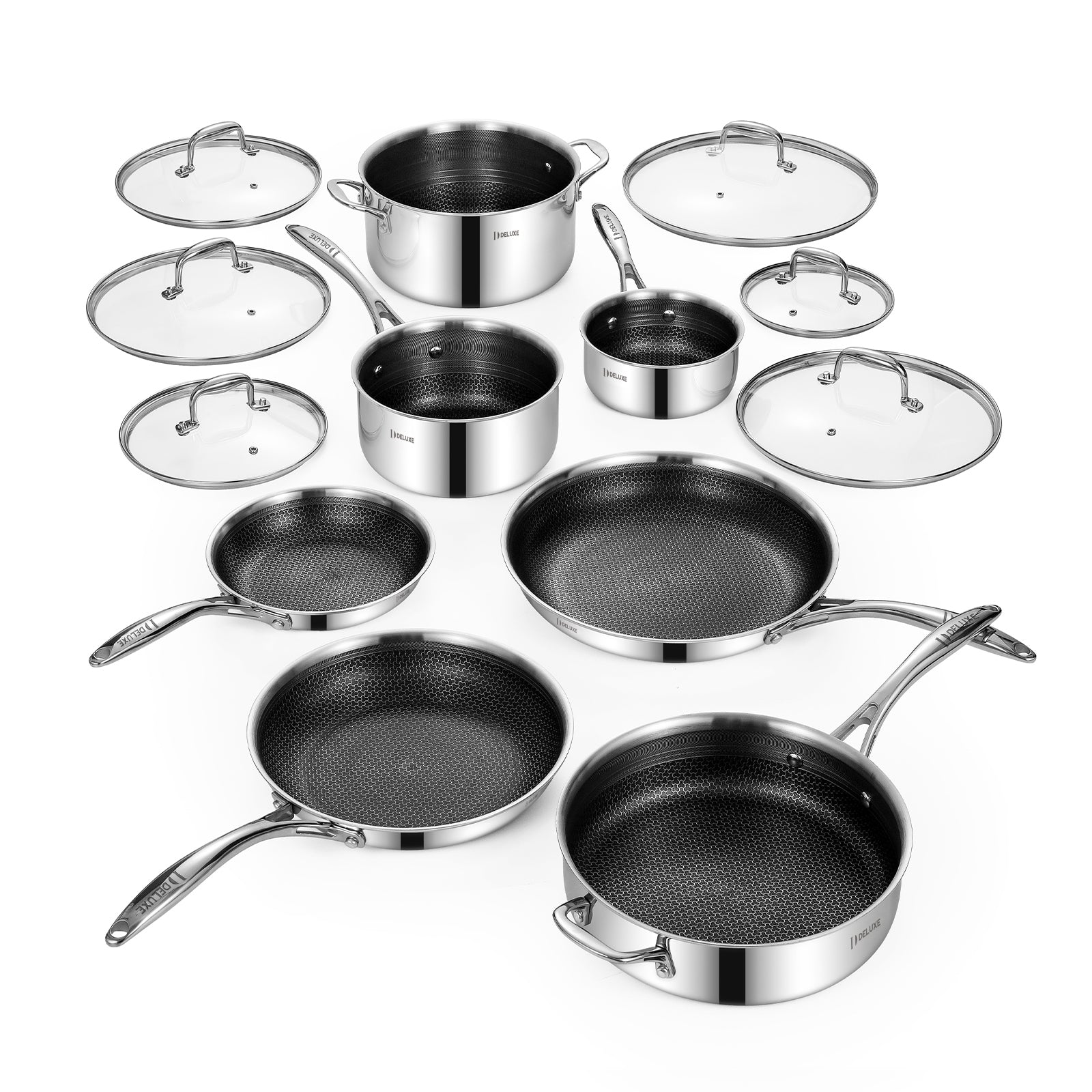
Many "12-piece" sets include small or oddly shaped pans that you may rarely use. For many households, it is more effective to buy two or three high-quality individual pieces—such as a great 10-inch stainless pan and an 8-inch nonstick skillet—than a large set of lower-quality items. This focused approach ensures your budget goes toward the tools you will actually use every day.
Choose Your Ideal Frying Pan
The best frying pan for your home is one that aligns with your stove type, your typical portion sizes, and your maintenance preferences. By understanding the differences between a nonstick frying pan for convenience and a stainless steel frying pan for durability, you can build a versatile collection. Prioritize even heat distribution and ergonomic features to ensure your everyday cooking pan remains a reliable and enjoyable tool in your culinary arsenal for years to come.
FAQs about Frying Pans
Can I use the same pan for everything?
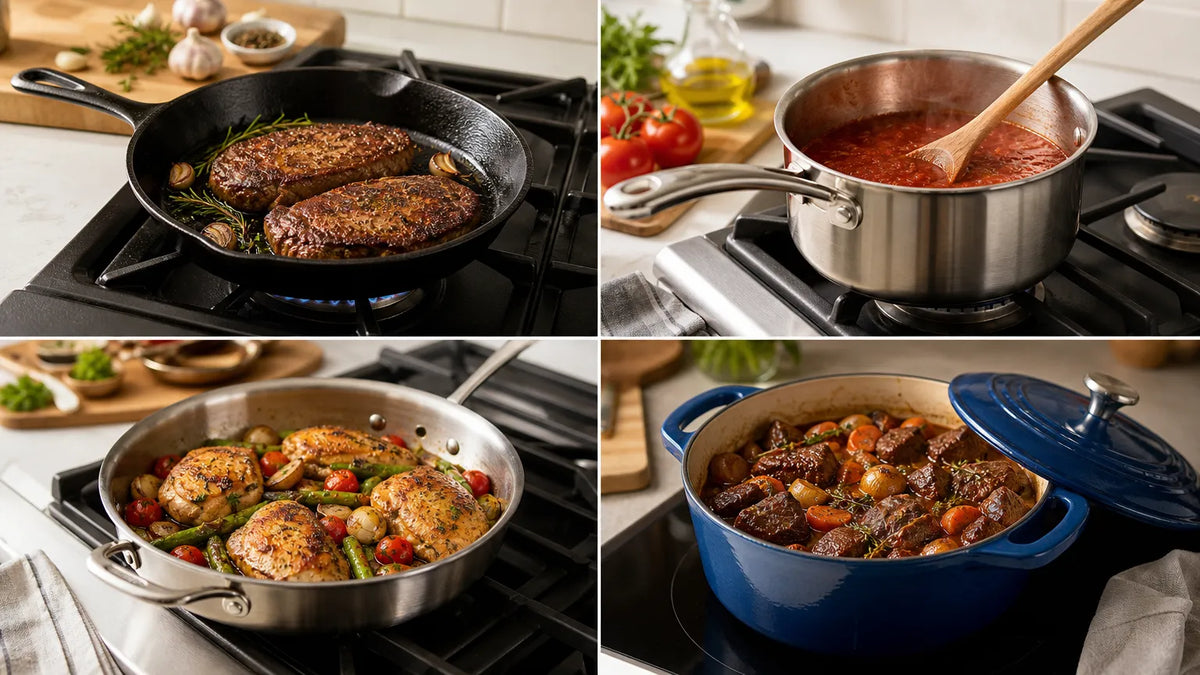
Generally, no. While a 10-inch skillet is highly versatile, it is difficult to cook every type of meal in one vessel. For example, a nonstick frying pan is superior for eggs, while a stainless steel frying pan is better for searing meat or making pan sauces. Having one of each is a common and practical strategy for most home cooks.
What is the most durable type of frying pan?
Stainless steel is widely considered the most durable material for the best frying pans. Unlike coated surfaces that can peel or wear down over time, a high-quality stainless steel pan is a solid metal construction that can last a lifetime if maintained properly. It is resistant to scratches and can withstand standard cleaning processes.
Does a 12-inch pan fit on a standard burner?
Yes, but with a caveat. While the base of a 12-inch pan will physically sit on a standard large burner, the edges of the pan may extend beyond the heat source. This is why a heavy base with good heat conductivity is essential; it helps pull the warmth from the center of the burner out to the edges of the pan.
Is ceramic better than traditional nonstick?
It depends on your priorities. Ceramic is generally considered a safer option for those avoiding certain chemicals. However, traditional high-quality nonstick surfaces often provide a longer-lasting release effect. Both are excellent choices for an everyday cooking pan, provided you follow the manufacturer's heat and cleaning guidelines.
How do I know when to replace my frying pan?
If you are using a nonstick frying pan and notice the coating is flaking, deeply scratched, or has lost its slickness despite proper cleaning, it is time for a replacement. For stainless steel, you only need to replace the pan if the base has warped significantly or if the handle has become dangerously loose and cannot be tightened.