Can You Use a Wok on Electric, Gas, or Induction Stoves?
The wok is one of the most versatile tools in any kitchen, but its effectiveness depends heavily on the heat source. While traditional woks were designed for open flames, modern kitchens often feature electric, ceramic, or induction surfaces. Choosing the right vessel—whether you are looking for an individual induction pan or a full induction cookware set—requires understanding how your stove transfers energy. This guide explores the compatibility of different wok designs across various cooktops to ensure you achieve the best results at home.
Do All Woks Work on Every Stove Type?
The shape of the base is the primary factor in determining compatibility. Traditional woks feature a round bottom, while many modern versions are designed with a flat base to accommodate Western-style stovetops.

The Problem with Round-Bottom Woks
Round-bottom woks are designed to sit in a flame that licks up the sides, providing even heat. However, on flat surfaces like electric or induction cooktops, a round bottom has a very small contact point. This results in poor heat transfer and instability. Without a specialized wok ring to hold it in place, a round-bottom wok can be dangerous to use on a flat-top stove.
The Versatility of Flat-Bottom Woks
Flat-bottom woks have become the standard for home cooks. These designs provide a stable surface that makes direct contact with the heating element. Whether you are using a radiant electric stove or looking for the best pots and pans for glass-top stove surfaces, a flat base ensures that heat is conducted efficiently into the food. This design also allows the wok to double as a deep frying pan, suitable for making pancakes or searing delicate proteins like eggs.
Material Compatibility and Induction
Even with a flat bottom, a wok will not work on an induction stove unless it contains magnetic material. Many high-quality cookware sets and pots are now made with composite layers to ensure they work across all platforms. If you are shopping for induction-compatible cookware, you must verify that the base contains a ferrous metal, such as certain grades of stainless steel, to trigger the induction coil.
What Is the Best Wok for Gas Stoves?
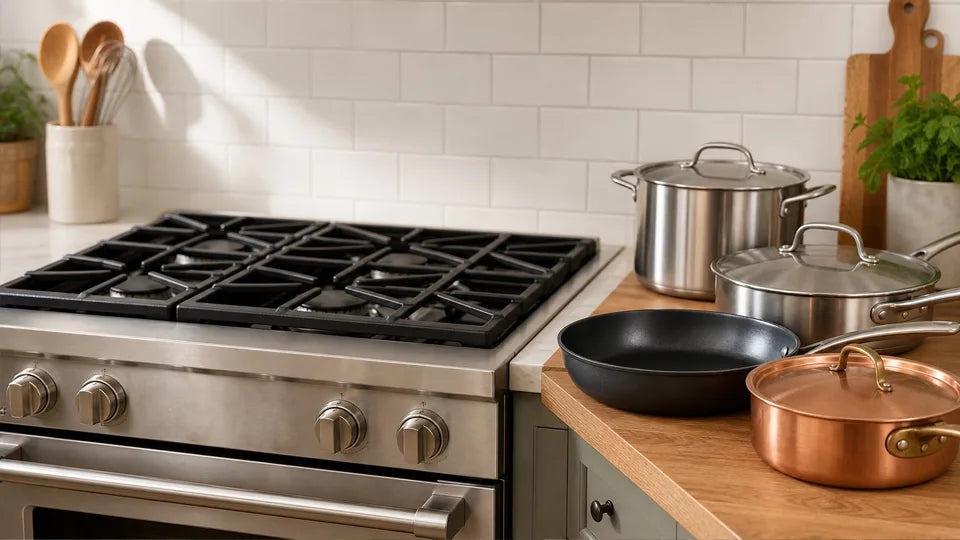
Gas stoves offer the most flexibility when it comes to wok cooking. The open flame can accommodate both round and flat-bottom designs, allowing for the rapid temperature adjustments required for traditional stir-frying.
Because a gas flame can wrap around the curved sides of a vessel, it provides a larger heating area. This is why professional kitchens often prefer gas. However, for home users, managing an open flame requires a wok with a handle that stays cool. Many modern woks utilize a stainless steel exterior to provide durability while maintaining the classic shape needed for "wok hei" or the "breath of the wok."
While round-bottom woks are traditional, they can be unstable on standard residential gas grates. Many home cooks prefer a flat-bottomed induction pan even on a gas stove because it sits securely on the burner. This stability is particularly helpful when you need to leave the wok momentarily to prep ingredients or manage other cookware on the same stove.

Can You Use a Round-Bottom Wok on an Electric Stove?
Using a traditional round-bottom wok on a standard electric stove is generally not recommended without specific modifications. Electric stoves, especially those with solid coils or radiant glass tops, rely on direct surface contact to transfer heat.
The Role of Wok Rings
A wok ring is a metal stand that sits on the burner to support a round-bottom wok. On an electric coil stove, this can work, but it raises the wok further away from the heat source. This results in lower temperatures, which can turn a stir-fry into a slow simmer. On a glass-top stove, a wok ring can be problematic because it may scratch the surface or fail to trigger the thermal sensors properly.
Why Flat-Bottoms Are Essential for Electric
For those seeking the best pots and pans for glass-top stove use, a flat-bottomed wok is vastly superior. The flat base makes full contact with the glass, allowing the radiant heat to pass directly into the metal. This setup is much more efficient and prevents the loss of energy that occurs when heat has to travel through a gap of air.
What Makes a Wok Induction Compatible?
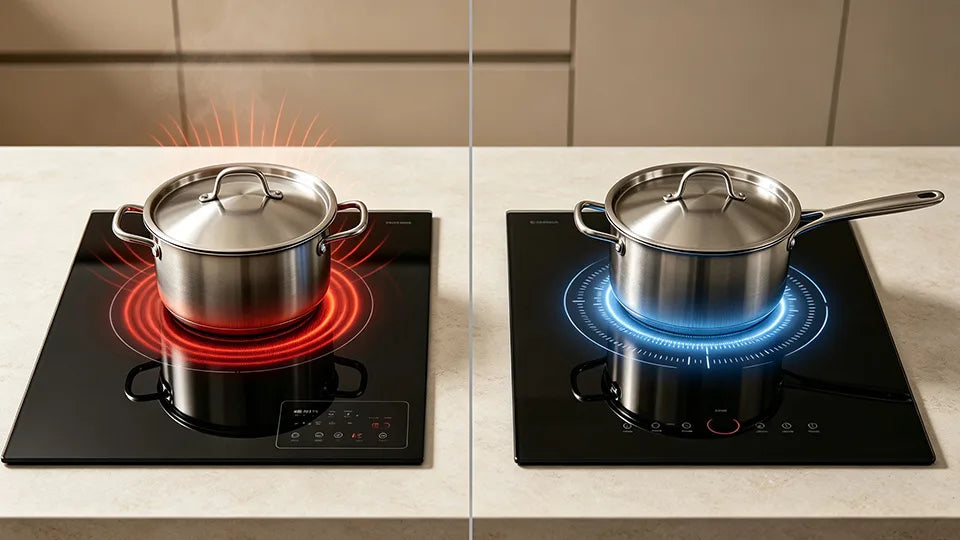
Induction cooking uses electromagnetic energy to heat the cookware directly. For a wok to function as induction-compatible cookware, it must meet two specific criteria: shape and material composition.
Magnetic Material Requirements
Induction stoves will only activate if they detect a magnetic material. If you have an induction cookware set, you likely know the "magnet test"—if a magnet sticks to the bottom of the pan, it will work. Modern composite woks often feature a layered construction, with a magnetic stainless steel base surrounding an aluminum or ceramic core to provide the necessary induction response.
Flat Surface Contact
Because induction coils are flat, they require the induction pan to sit flush against the glass. A round-bottom wok will not trigger the induction process on most standard hobs. A flat-bottom wok ensures that the electromagnetic field can move into the pan efficiently. This results in incredibly fast heat-up times, often faster than gas, provided the pan is high-quality induction cookware.
Does Wok Material Affect Heat Performance?
The material of your wok determines how quickly it heats up, how well it holds that heat, and how easy it is to maintain. Common materials include carbon steel, pure stainless steel, and modern composite hybrids.
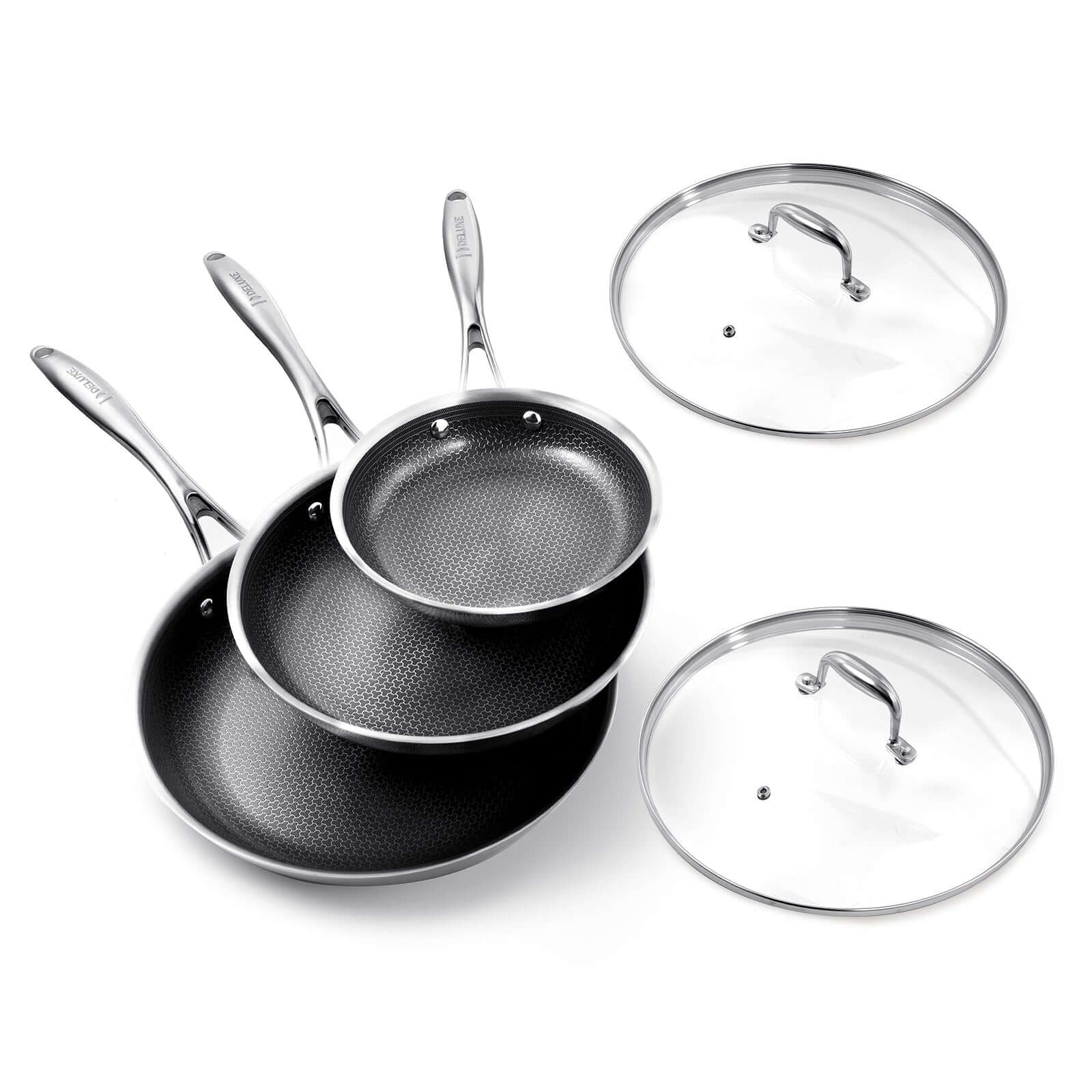
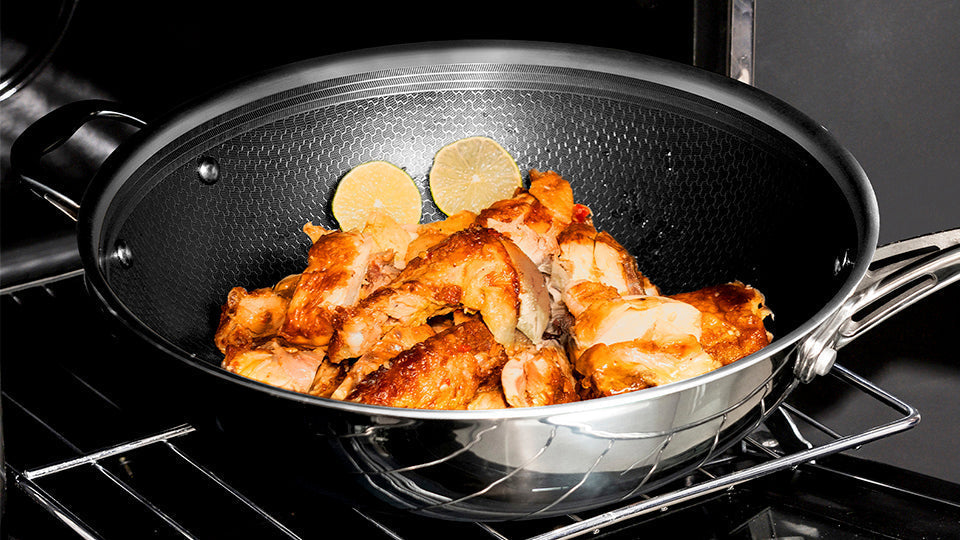
Pure stainless steel is durable and non-reactive, but it can be prone to sticking if not managed with high levels of oil and precise technique. Many home cooks now prefer composite woks. These often feature a raised stainless steel honeycomb or mesh that protects a recessed ceramic non-stick layer. This provides the browning capabilities of steel with the easy release of a non-stick surface, making it an excellent choice for a versatile induction pan.

Ceramic coatings are a popular feature in modern cookware sets and pots. They provide a slick surface that is ideal for low-to-medium heat cooking, such as frying eggs or making delicate crepes. In a wok, a ceramic layer helps prevent ingredients like starchy noodles or lean proteins from sticking. However, these layers must be protected from extreme, prolonged high heat to maintain their longevity.
How Can You Improve Stir-Frying on a Flat Cooktop?
If you are used to gas but have switched to an electric or induction surface, you may find that your stir-fry results differ. There are several ways to optimize your technique for flat-top cooking.
Flat cooktops often take longer to respond to temperature changes than gas. To compensate, ensure your induction-compatible cookware is properly preheated before adding oil. However, be careful not to "dry fire" the pan on high for too long, as this can damage non-stick ceramic layers. Using a medium-high setting is usually sufficient for most home stir-frying tasks.
One of the challenges of home stoves is heat recovery. When you dump a large amount of cold food into a wok, the temperature drops instantly. To maintain a "fry" rather than a "steam," cook your ingredients in smaller batches. Sear the meat first, remove it, cook the vegetables, and then combine them at the end. This keeps the thermal mass of your induction pan high enough to maintain the proper texture.
What Mistakes Should You Avoid When Using a Wok?
To keep your wok in top condition and ensure your food tastes its best, there are several common errors you should avoid, especially with modern composite or non-stick surfaces.
Excessive Long-Term High Heat
While stir-frying is a fast process, leaving a non-stick or ceramic-lined wok on maximum heat for an extended period can degrade the coating. Modern induction cookware is very efficient at conducting heat; therefore, you rarely need the "boost" or "maximum" setting on your stove for more than a minute. Moderate your heat to protect the integrity of the non-stick surface.
Using the Wrong Utensils and Cleaning Methods
- Metal Scrapers: Even if a wok has a protective stainless steel mesh, avoid using sharp metal scrapers that can gouge the recessed ceramic areas. Stick to silicone or wood.
- Abrasive Cleaners: When cleaning your induction cookware set, avoid steel wool. A soft sponge with mild soap is usually enough to clean a composite surface.
- Thermal Shock: Never plunge a hot wok into cold water. This can cause the different layers of composite metal to expand or contract at different rates, leading to warping or damage to the ceramic bond.

Choose the Right Wok for Your Stove and Cooking Style
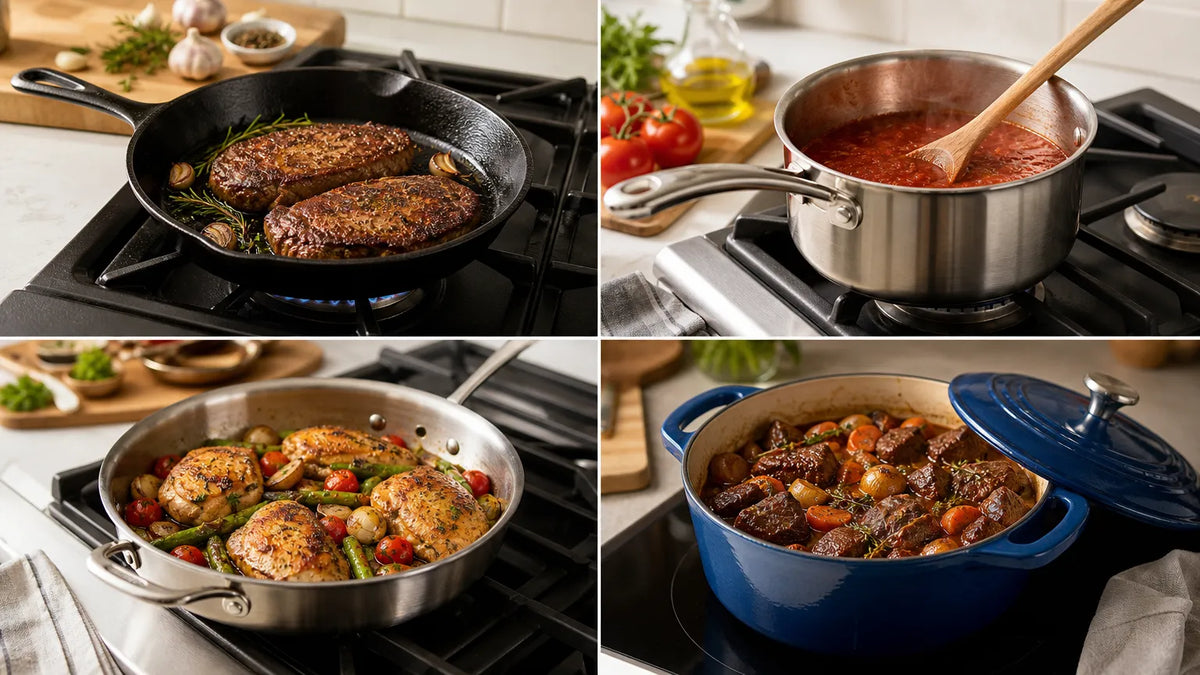
Selecting the best wok involves matching the vessel to your specific stovetop technology. For gas users, the traditional round-bottom remains an option, but for the majority of modern homes, a flat-bottomed design is the most practical and efficient choice.
If you are upgrading your kitchen, investing in a complete induction cookware set ensures that all your vessels—from woks to cooking pots—behave predictably on your stove. This consistency makes it easier to master temperature control across different recipes.
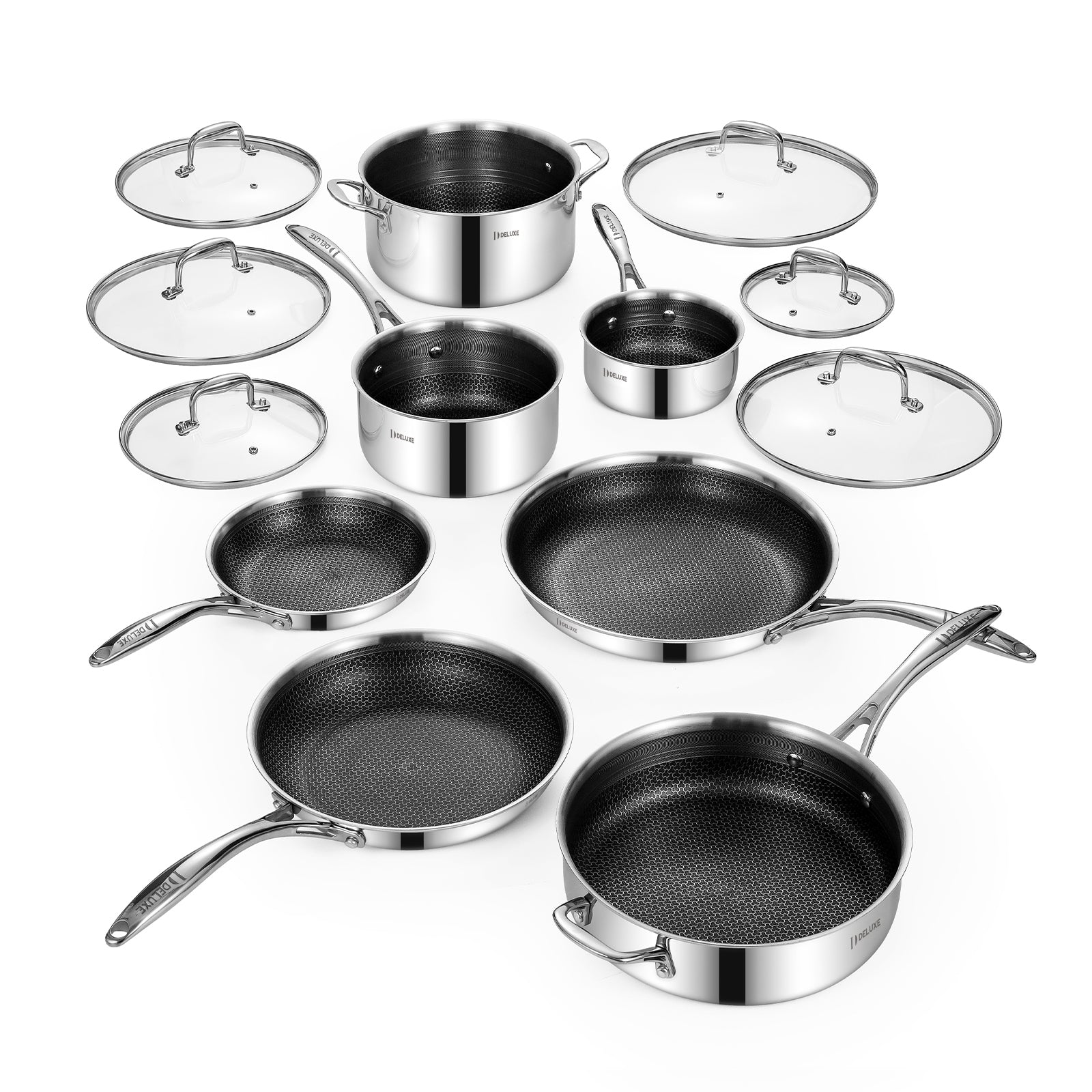
For most home cooks, a composite wok offering a mix of stainless steel durability and ceramic non-stick ease is the ideal middle ground. It provides a stable, induction-compatible cookware solution that works just as well on electric and gas. For a universal solution, the Deluxe Cookware Wok features a flat 430 stainless steel base compatible with gas, induction, electric, halogen, and ceramic stoves. It’s the ideal choice for those seeking professional performance across all cooktop types.

Choose the Right Wok
Whether you use gas, electric, or induction, there is a wok designed to fit your needs. Flat-bottomed woks have emerged as the superior choice for modern glass-top and induction surfaces, providing the stability and contact required for efficient heating. By choosing induction-compatible cookware and following proper heat management and cleaning protocols, you can enjoy the benefits of wok cooking without damaging your equipment. Focus on quality materials and the right base shape to ensure your wok remains a staple of your kitchen for years to come.
FAQs About Wok Compatibility and Use
Can I Use a Standard Wok on an Induction Cooktop?
No, not all woks are compatible. To work on induction, the wok must have a flat bottom and be made of magnetic material. If your wok is aluminum or copper without a magnetic base, the induction stove will not turn on. Always look for the induction-compatible cookware symbol when purchasing.
Do I Need a Wok Ring for an Electric Stove?
Usually no. If you have a flat-bottomed wok, you should place it directly on the electric burner. Using a wok ring on an electric stove actually reduces efficiency by creating a gap between the heat source and the pan. Wok rings are primarily intended for using round-bottom woks on gas stoves.
Is Stainless Steel Better Than Ceramic for a Wok?
It depends on your skill level and needs. Pure stainless steel is very durable but requires more oil and technique to prevent sticking. A hybrid induction pan that uses a stainless steel grid to protect a ceramic non-stick layer offers the best of both worlds for most home cooks.
Why Does My Wok Warp on a Glass-Top Stove?
Warping is often caused by thermal shock—placing a very hot wok in cold water—or by using excessively high heat on a thin, low-quality pan. To prevent this, choose a heavy-duty induction cookware set with a thick, multi-layer base and allow the pan to cool before washing.
Can I Make Pancakes in a Wok?
Yes, you can. While a wok is not specifically designed for the flat shape of a pancake, a flat-bottomed wok provides enough surface area to cook small pancakes or fry eggs successfully. It is a highly versatile piece of induction-compatible cookware.