

Why You Need a Sauté Pan for One-Pot Pasta Recipes
One-pot pasta needs a vessel that can brown aromatics, hold liquid, and give noodles room to soften. A sauté pan brings these tasks together through a broad base and straight sides.
The method is not simply about reducing cleanup. As pasta cooks in a measured amount of liquid, released starch remains in the pan and can help thicken the sauce. Success still depends on matching the pasta shape to the pan, monitoring the liquid, and stirring often enough to prevent sticking.
What Is the Difference Between a Sauté Pan and a Skillet?

Straight Sides vs. Sloped Sides
A sauté pan has a broad flat base with sides that rise more vertically, while a skillet usually has sides that flare outward. The straight walls preserve more usable volume above the cooking surface when pasta, vegetables, and simmering liquid share the same vessel.
A skillet's sloped sides make spatula access and tossing easier. Those advantages suit quick frying but provide less splash control for liquid-rich dishes.
Greater Capacity vs. Easier Tossing
Two pans with similar top diameters may not hold the same working volume. Because a skillet narrows toward its base, its actual cooking surface and liquid capacity can be smaller than the rim measurement suggests.
For pasta, base width gives noodles room to soften, while capacity lets liquid simmer below the rim. Shape and volume therefore matter as much as diameter.
Saucy One-Pot Pasta vs. Quick Frying
A sauté pan is often the easier choice for saucy one-pot dishes, short pasta, and recipes that begin with browning. A sufficiently wide and deep skillet can still work, particularly for smaller portions or recipes with less liquid.
| Feature | Sauté Pan | Skillet |
|---|---|---|
| Side shape | Straight, vertical sides | Sloped, flared sides |
| Working capacity | More usable volume across the full base | Less volume near the rim |
| Tossing and turning | Better for stirring and containing liquid | Better for quick tossing and spatula access |
| One-pot pasta | Well suited to sauce, pasta, and measured liquid | Can work when sufficiently wide and deep |
High Sides can Prevent Splashes
Contain Simmering Liquid
Straight sides create a clearer boundary around bubbling sauce and reduce the chance that stirring will push liquid over a low rim. They do not eliminate splashes completely, so the pan still needs headroom rather than being filled to its maximum capacity.
The extra wall height matters more after the pasta goes in. Pasta displaces liquid and starchy foam can rise, making extra wall height useful.
Preserve a Broad Cooking Surface
Vertical walls allow more of the pan's diameter to remain available at the base. Aromatics can spread out for even contact, and short pasta can settle into a relatively shallow layer instead of piling into the center.
This geometry leaves room to move a spoon along the bottom, including the corners where pasta and concentrated sauce can collect.
Leave Room for Safe Stirring
A useful pan should hold the planned ingredients with space above the liquid line. That margin lets the cook stir from the bottom and fold ingredients inward without sending hot sauce over the edge.
- Allow space for pasta to expand as it hydrates.
- Keep the simmer gentle enough to control foam.
- Use a utensil long enough to reach the base comfortably.
Sear Aromatics in a Stainless Steel Sauté Pan First
Build the Flavor Base
Onion, shallot, mushrooms, and other sturdy aromatics can cook in a little oil before liquid is added. Browning reactions contribute color and flavor, as outlined in the American Chemical Society's culinary chemistry overview. Garlic and dried spices usually join later because they scorch more quickly.
A stainless steel sauté pan can support this sequence, but bare stainless steel is not naturally nonstick. Careful preheating, enough oil, and moderate burner control help reduce sticking; hybrid cookware should be used according to its specific care instructions.

Control the Burner Setting
One-pot pasta does not require prolonged excessive heat. Low to medium heat is generally sufficient for warming the pan, softening aromatics, and bringing the added liquid to a controlled simmer.
For hybrid ceramic nonstick cookware, follow the manufacturer's instructions rather than treating a maximum temperature as an everyday target. DELUXE's use and care guide recommends starting with low to medium heat to support cooking performance and coating life.
Deglaze Before Adding the Pasta
If browned residue develops without burning, some of the recipe's stock, water, or tomato liquid can loosen it and draw that flavor into the sauce.
The liquid also cools the surface before the full pasta-cooking stage begins. Any blackened garlic or spices should be removed rather than dissolved into the dish, since they can introduce bitterness.
Add Pasta and Liquid Directly Into the Same Vessel
Measure Liquid Conservatively
One-pot pasta uses less free water than conventional boiling because the liquid becomes part of the sauce. Follow the recipe's starting amount because ingredients and burner strength affect absorption and evaporation.
It is easier to add a small splash of hot water or stock than to rescue a watery sauce. Keeping extra warm liquid nearby allows gradual correction without cooling the pan sharply.
Arrange the Pasta Evenly
Short shapes can spread across the base, while long noodles need enough width or time to soften before they bend. Breaking pasta is optional.
Once the lower portion softens, tongs can turn and settle the strands into the liquid. Forcing dry noodles under the surface too early may cause splashing or uneven breakage.
Follow a Controlled One-Pot Sequence
- Soften and lightly brown the aromatics over low to medium heat.
- Deglaze with part of the measured cooking liquid.
- Add the pasta and remaining liquid specified by the recipe.
- Bring the mixture to a gentle simmer and stir from the bottom.
- Adjust with small additions of warm liquid until the pasta is tender.
Cooking time may differ from the package directions because the pasta is surrounded by less water and additional ingredients. Texture, remaining liquid, and sauce consistency provide better guidance than the clock alone.

Stir Frequently for an Emulsified, Creamy Sauce
Use Released Starch
As pasta hydrates, starch enters the limited cooking liquid. It increases viscosity and helps stabilize water and fat, supporting a smoother sauce.
Starch in the cooking liquid can coat fat droplets and thicken the sauce. Moderate mixing then helps distribute those components into a more stable dispersion. See Physics Today's explanation of pasta sauce for a closer look at the process.
Stir Without Damaging the Pasta
Frequent stirring does not mean continuous aggressive mixing. A spoon or flexible spatula can sweep the base every minute or two at first, with more attention as the sauce thickens and the noodles become tender.
This movement separates sticking pieces and redistributes starch. Delicate pasta should be folded carefully near the end to preserve its shape.
Finish at the Right Consistency
The sauce should look slightly looser in the pan than the desired serving consistency because it continues to thicken as it cools. If it becomes tight before the pasta is tender, a small addition of warm liquid can restore movement.
Cheese, butter, or cream should be added according to the recipe and often benefits from gentler heat. Excessive heat can cause some cheese sauces to become stringy or separate, so the pan may need to come off the burner before the final enrichment.
From the Stove to the Table
Choose a Pan With Practical Capacity
The best sauté pan for this job is not one size or one material. It should hold the batch with stirring room, suit the cooktop, and remain manageable when full.
For one-pot pasta, a fitted lid can also be useful for a brief covered simmer or holding warmth. The lid should not remain closed automatically, since evaporation may be needed to reach the correct sauce consistency.
Consider a Verified Hybrid Option
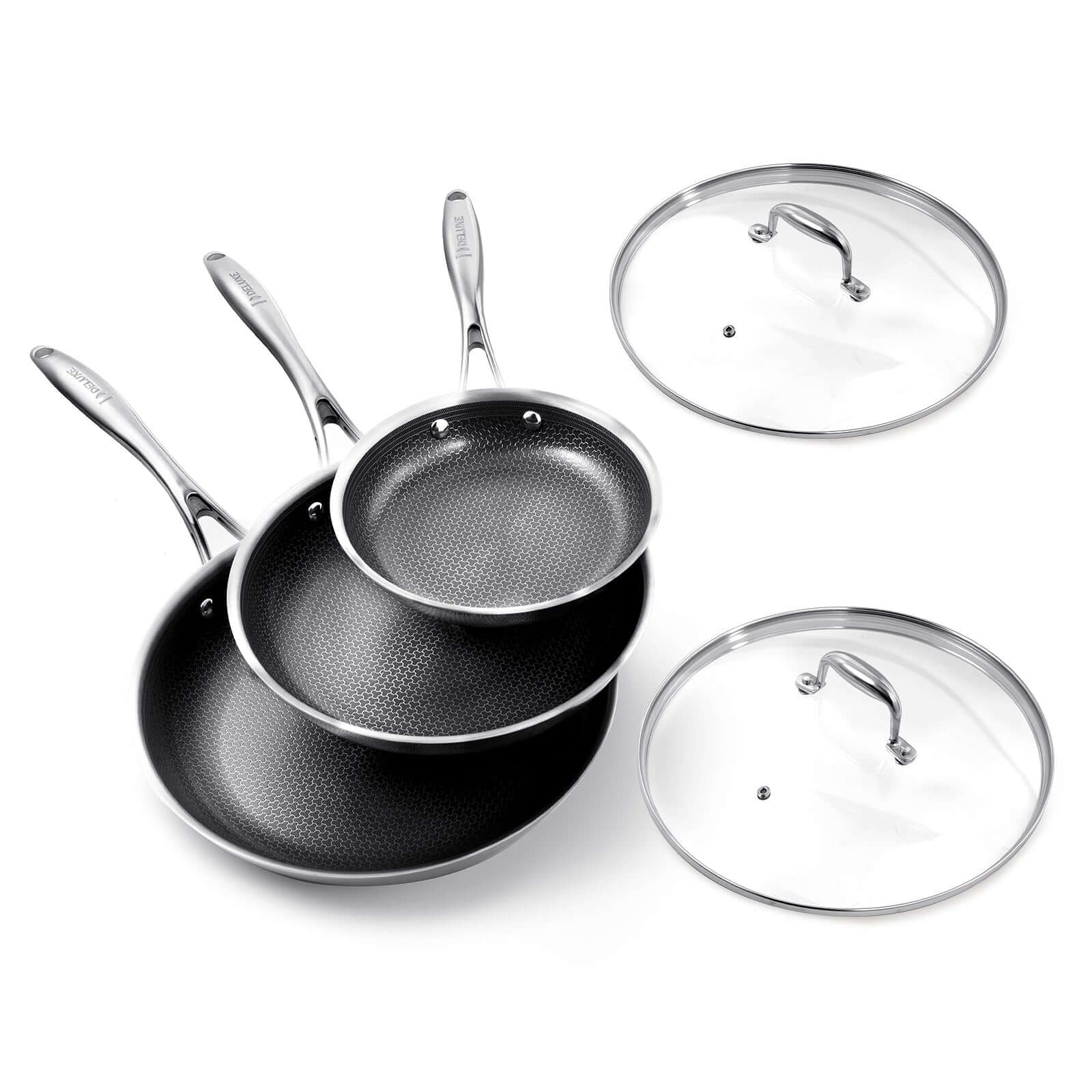
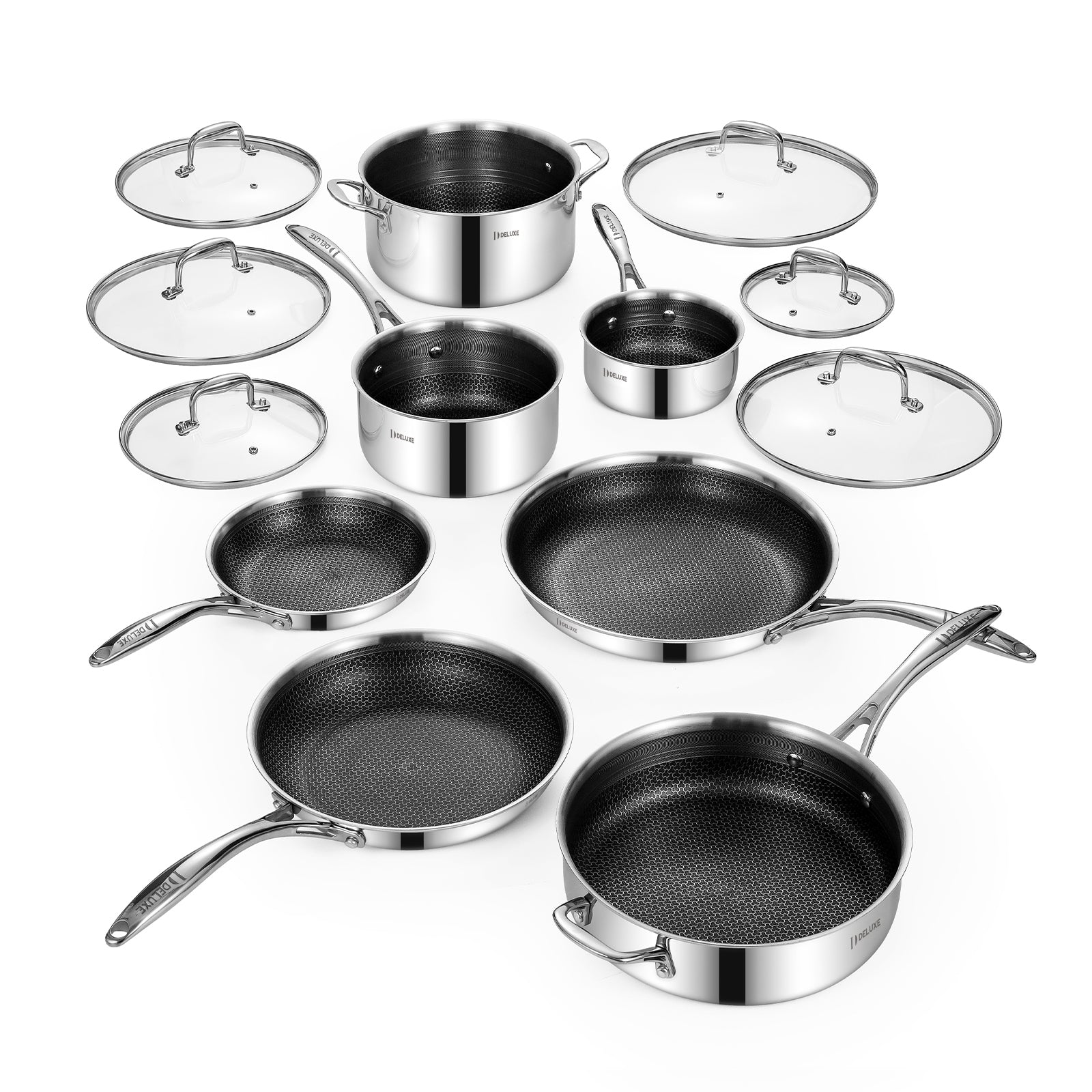
After the cooking method and capacity needs are clear, a specific product becomes easier to evaluate. The DELUXE 3.7 Qt Sauté Pan combines a hybrid 304 stainless steel and ceramic nonstick surface, an aluminum core, and a magnetic stainless steel base.
The official product page lists compatibility with gas, electric, induction, and ceramic cooktops. Its 3.7 Qt capacity and included lid may suit many one-pan meals, but cooks should still compare the recipe yield and pasta shape with the available working space.

Serve With the Pan in Mind
A sauté pan can move from cooking to a heat-safe trivet for casual serving, reducing the need for another dish. The handle and pan body may remain hot, however, especially after oven use, so appropriate protection and a stable surface are essential.
Serving from the pan slows heat loss and allows a final stir. Use a suitable utensil to protect the surface according to the manufacturer's guidance.
Make One-Pot Pasta Easier With the Right Sauté Pan
A well-sized sauté pan gives aromatics, pasta, and sauce room to develop in one vessel while its straight sides help contain stirring and simmering. Once you know the capacity your recipes require, explore the DELUXE sauté pan range and compare verified sizes, lids, and cooktop compatibility. The right match can simplify weeknight pasta without asking one pan to do more than its design allows.
Common Questions About Sauté Pans for One-Pot Pasta
Q1. What Size Sauté Pan Is Best for One-Pot Pasta?
It depends on the recipe yield and pasta shape. Choose enough base width for the noodles and enough capacity to leave stirring room above the liquid; do not rely on diameter alone.
Q2. Can a Skillet Replace a Sauté Pan for Pasta?
Yes, if the skillet is wide and deep enough for the batch. Its sloped sides provide less working volume and splash containment than straight sides, so smaller portions are usually easier to manage.
Q3. Is a Stainless Steel Sauté Pan Nonstick?
No, bare stainless steel is not naturally nonstick. It generally requires suitable preheating, oil, and technique, while a verified hybrid pan may combine stainless steel components with a separate nonstick cooking surface.
Q4. Should One-Pot Pasta Stay Covered While Cooking?
Usually not for the entire cooking time. A lid can help bring liquid to a simmer, but uncovering the pan allows evaporation and makes it easier to stir and judge sauce consistency.
Q5. Why Does One-Pot Pasta Become Creamy Without Cream?
Released pasta starch thickens the limited cooking liquid and helps stabilize fat and water as the mixture is stirred. The result can feel creamy even when the recipe contains no dairy, although the final texture depends on the ingredients and liquid ratio.


