The Complete Frying Pan Buying Guide
A good frying pan should make everyday cooking easier, not more complicated. The best frying pans match your stove, food habits, cleaning routine, and comfort level. This guide explains size, materials, daily cooking uses, damage risks, and care tips so you can choose a pan that fits real home kitchens.
What Features Matter Most in a Frying Pan?
A frying pan is used for quick, direct cooking, so small design details affect daily results. Before comparing prices, check the structure, surface, base, handle, and stove compatibility.
Even Heating and a Stable Base
A flat base helps the pan sit evenly on the cooktop. Uneven contact can cause patchy cooking, especially on an electric stove or electric cooktop, where pan-to-surface contact matters.
Composite pans may combine materials to balance heat control, strength, and food release. Stainless steel layers can support structure, while a coated surface can help with eggs and delicate foods.
Comfortable Weight and Handle Design
The pan should feel secure when lifted with one hand. A very light pan may feel unstable, while a very heavy pan may be tiring. Also, check the handle material and oven-use limits.

Surface Quality and Care Needs
The surface should match your cooking habits. Coated cookware is easier for low-oil cooking and cleanup. Bare stainless surfaces need more technique, while ceramic-style coatings need gentle care to preserve release performance.
What Frying Pan Size Should You Choose?
Size affects cooking space, storage, and heating. Most kitchens work best with one everyday size.
- 8-Inch Pans: An 8-inch pan is useful for one egg, a small omelet, or reheating a small portion. It stores easily but is too small for most family meals.
- 10-Inch Pans: A 10-inch pan is the most practical size for many homes. It works for scrambled eggs, grilled sandwiches, vegetables, small protein portions, and quick lunches. If you only want one pan, this is often the safest start.
-
12-Inch Pans: A 12-inch pan gives more surface area for several portions. It is useful for families, but it needs a burner that supports the base. On a small burner, the center may heat faster than the edges.

What Frying Pan Materials and Constructions Are Available?
Many shoppers compare nonstick, stainless steel, and ceramic options, but these terms can describe different constructions. Some modern pans are composite, so look at the full structure.
Nonstick Surfaces for Easy Release
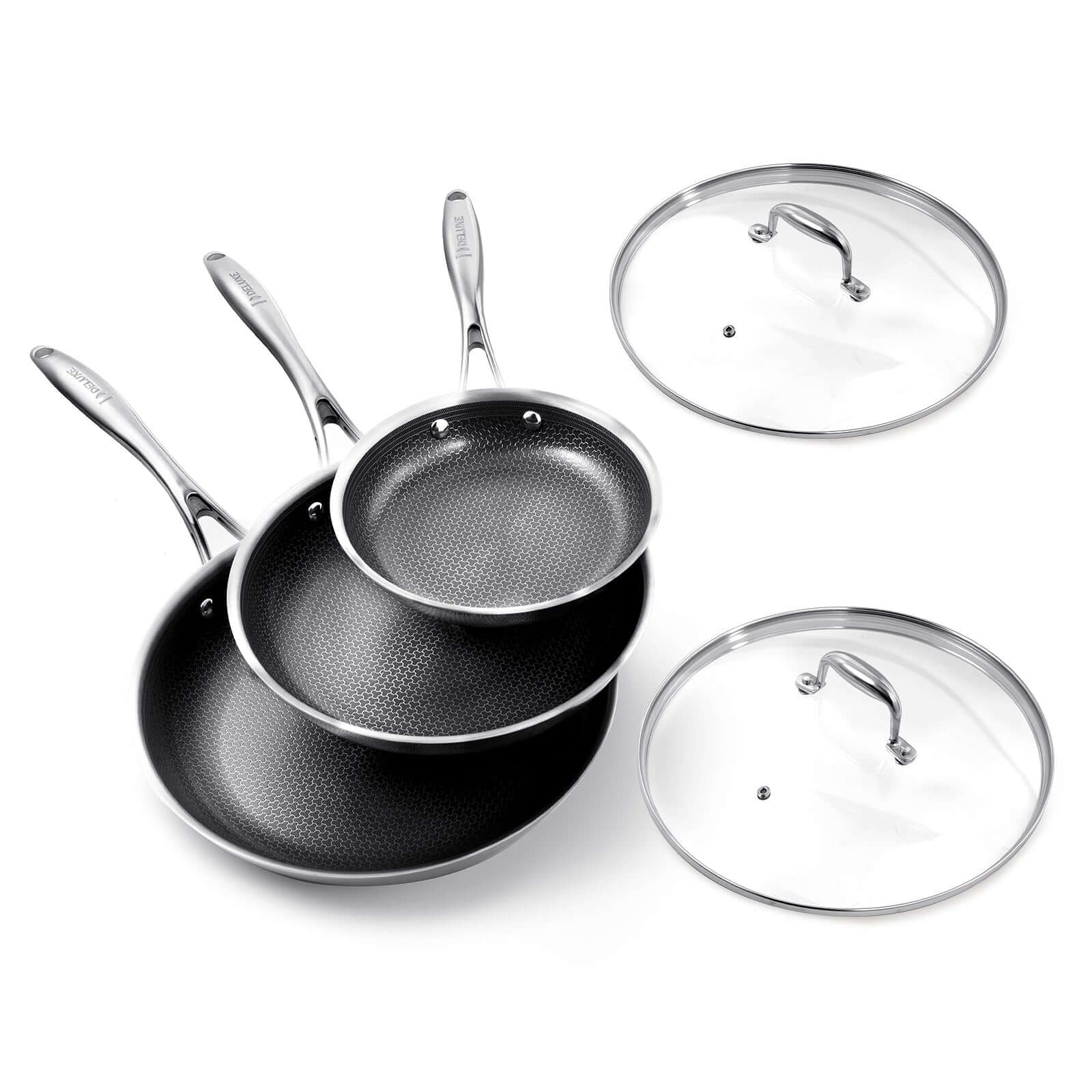
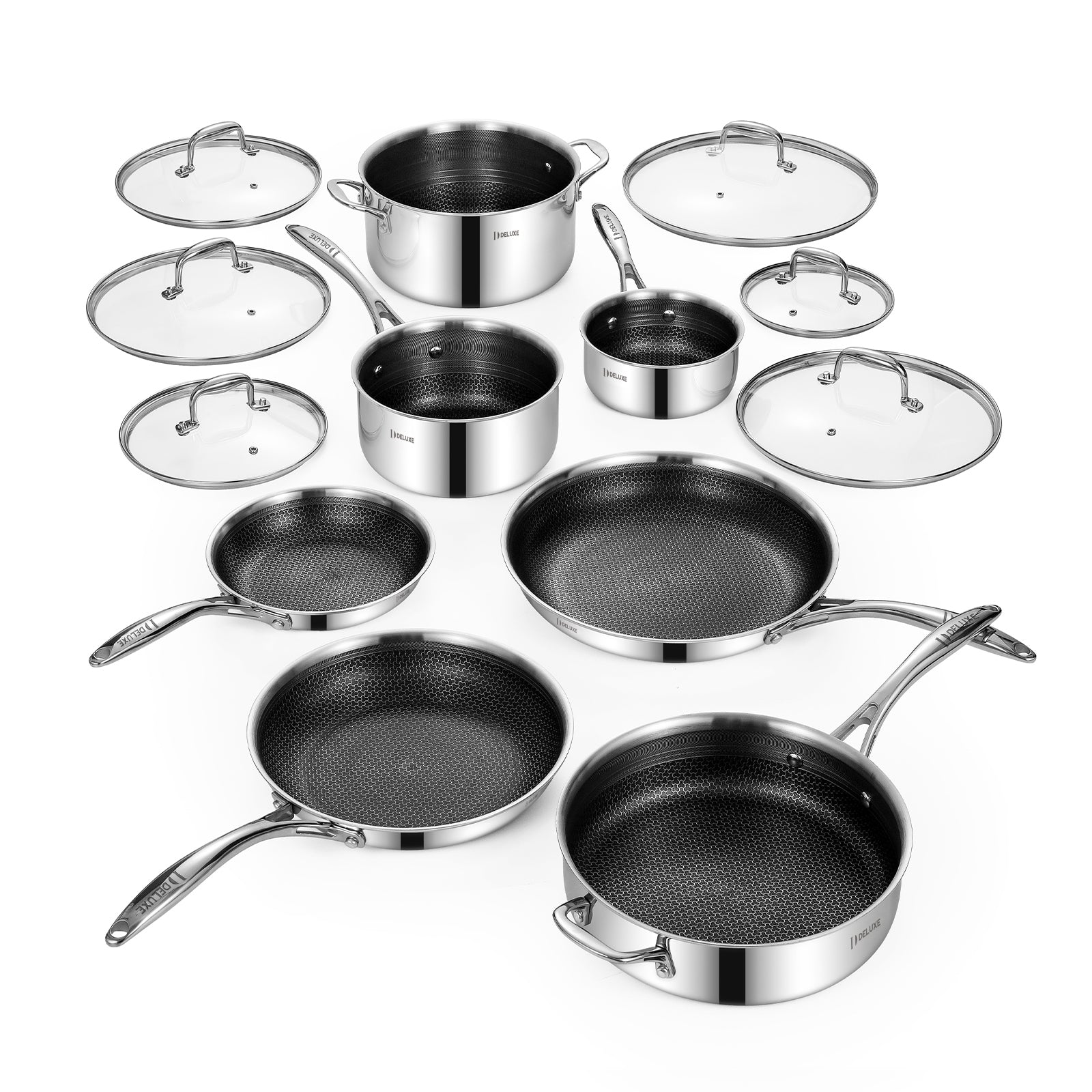
A nonstick surface helps food release with less sticking, especially eggs, pancakes, and soft fish. The best frying pan surface should match the way you cook. Some hybrid cookware uses a raised stainless steel pattern combined with recessed ceramic nonstick areas to balance durability, heat distribution, and food release.
Nonstick is best for low to medium heat. It is not meant for long empty preheating, prolonged high heat, or aggressive metal scraping. Follow the maker’s care instructions.
Stainless Steel Layers and Stainless Comparisons
A stainless steel frying pan is often compared with coated cookware because stainless steel is durable. However, pure stainless steel cookware is not naturally nonstick. It usually requires preheating, enough oil, and a better technique to reduce sticking.
In a composite pan, stainless steel may be part of the structure, not the only cooking surface. A buyer looking at a stainless steel frying pan should not assume it will release eggs like coated cookware.
Ceramic-Style Nonstick Surfaces
Ceramic frying pans usually refer to metal pans with ceramic-style coatings, not solid ceramic pans. They can be useful for eggs, vegetables, and light sautéing with gentle heat.
If you compare ceramic frying pans with other coated cookware, check heat limits, utensil guidance, and cleaning instructions. In hybrid cookware designs, raised stainless steel areas may help shield recessed ceramic nonstick sections from direct utensil contact during everyday cooking. However, users should still follow the manufacturer's recommended temperature guidelines to maintain long-term performance.
How Hybrid Frying Pans Differ
Hybrid frying pans combine different materials within the cooking surface. Some designs feature raised stainless steel sections with recessed ceramic nonstick areas. This structure aims to distribute heat evenly while helping protect the nonstick coating from direct contact during everyday cooking.
Compared with traditional nonstick cookware, hybrid pans may offer a balance between easier food release and improved surface durability. However, cooking techniques and care recommendations can still vary by the manufacturer.
Are Nonstick Frying Pans Worth It?
Nonstick pans are worth it for everyday cooking when used correctly. They reduce sticking and make delicate foods easier, but they are not designed for every task.
Best Uses for Nonstick
A coated pan is helpful for eggs, pancakes, crepes, soft fish, and sticky leftovers. It also helps new cooks avoid sticking problems. The best nonstick frying pan for breakfast should be easy to control, not too heavy, and simple to clean. It should include clear guidance about heat and utensils.
Limits of Nonstick Cooking
A coated surface should not be treated like bare metal cookware. Avoid long empty heating, sharp tools, abrasive pads, and cooking sprays if the manufacturer advises against them. For strong searing or broiler use, choose cookware specifically designed for that job. The best nonstick frying pans are practical because they support routine meals, not because they replace every pan in the kitchen.
When Replacement Makes Sense
Replace a coated pan when food sticks badly after proper cleaning, the surface is peeling, or the base no longer sits flat. A damaged coating can make cleaning harder.
What Foods Can You Cook in a Frying Pan?
A frying pan works well for fast meals because it gives direct heat and easy access to food.
Breakfast and Brunch Foods
Eggs, omelets, pancakes, French toast, bacon, and breakfast potatoes can all be cooked in a frying pan. For eggs and pancakes, a coated surface usually makes flipping and cleanup easier.
This does not mean the pan must be shaped only for pancakes or omelets. An everyday frying pan can handle these foods without being a specialty pan.

Vegetables and Light Proteins
Zucchini, mushrooms, onions, peppers, asparagus, shrimp, fish fillets, tofu, and chicken strips are common frying pan foods. For coated cookware, use moderate heat and avoid overcrowding.
Quick Everyday Meals
A frying pan can help with fried rice, quesadillas, warm sandwiches, pasta add-ins, and leftovers. For most households, the best frying pans are judged by weekly use, not one special recipe.
What Common Mistakes Damage a Frying Pan?
Most pan damage comes from repeated habits. A few changes can protect the surface, base, and handle.
Overheating the Pan
Long, empty preheating and prolonged high heat can damage many nonstick coatings. Start with low to medium heat unless the product instructions say otherwise. Add food or oil at the right time instead of leaving the pan empty on the burner.
Using Metal or Sharp Utensils
Metal forks, knives, and sharp spatulas can scratch coated surfaces. Use silicone, nylon, wood, or other approved utensils. Gentle tools usually help the surface last longer.
Cleaning Too Aggressively
Abrasive pads and harsh scrubbing can wear down coated and ceramic-style surfaces. Let the pan cool before washing, then clean with warm water, mild dish soap, and a soft sponge.
How Can You Make a Frying Pan Last Longer?
Good care is simple: use the right heat, clean gently, and store the pan correctly. The exact routine depends on the surface and construction.
A composite nonstick pan is usually best for everyday low- to medium-heat cooking. This protects the release surface and helps prevent stubborn residue.
Do not assume that a pan with stainless steel in its structure should be used like bare stainless cookware. Always follow the heat range recommended by the manufacturer.
If pans are stacked, place a soft liner or towel between them. Let the pan cool before washing, then clean it before the residue hardens. For stuck-on food, soak briefly instead of scraping.

How Do You Choose the Best Frying Pan for Your Cooking Style?
The right pan depends on what you cook weekly. Match the pan to your meals, stove, and maintenance habits.
For Eggs, Pancakes, and Low-Oil Meals
Choose a nonstick surface if you regularly cook eggs, pancakes, crepes, or delicate foods. The pan should make release easier without requiring heavy oil or advanced technique.
For Users Comparing Stainless Options
If you are considering stainless cookware, remember that pure stainless steel can stick. It is better for cooks comfortable with preheating, oil control, and cleanup. For easier everyday cooking, a composite nonstick option may be more forgiving.
For Shoppers Comparing Coated Options
If you are comparing the best non-stick frying pans, look for a stable base, clear stove compatibility, moderate weight, practical care instructions, and a surface suited to daily meals. Fit matters more than marketing terms.
Conclusion
The best frying pan is the one that fits your stove, food habits, and care routine. For many households, hybrid cookware designs that combine raised stainless steel elements with recessed ceramic nonstick areas may offer a practical balance of durability, heat distribution, and easier cleanup. The best frying pan is ultimately the one that fits your cooking habits, stove type, and maintenance preferences.

FAQs about Frying Pan Basics
What Is the Best Material for a Frying Pan?
The best material depends on your cooking style. Hybrid frying pans combine stainless steel and ceramic nonstick elements within the cooking surface. For cooks seeking a balance between durability and easier food release, this type of construction may be worth considering alongside traditional nonstick and stainless steel options.
Is a Nonstick Frying Pan Safe to Use Every Day?
Yes, it can be used every day when you follow the manufacturer’s instructions. Use low to medium heat, avoid overheating an empty pan, and use soft utensils. Replace the pan if the coating is peeling or badly damaged.
How Long Should a Frying Pan Last?
A frying pan can last from a few years to much longer, depending on the material, care, and frequency of use. Stainless steel structures can be durable, but coated surfaces wear over time. Gentle cleaning, proper heat, and protected storage help extend useful life.
What Size Frying Pan Is Best for Most Households?
A 10-inch frying pan is best for many households because it balances cooking space, weight, and storage. It can handle eggs, vegetables, sandwiches, and small protein portions. Larger households may also use a 12-inch pan for batch cooking.
Can a Frying Pan Be Used on an Induction Cooktop?
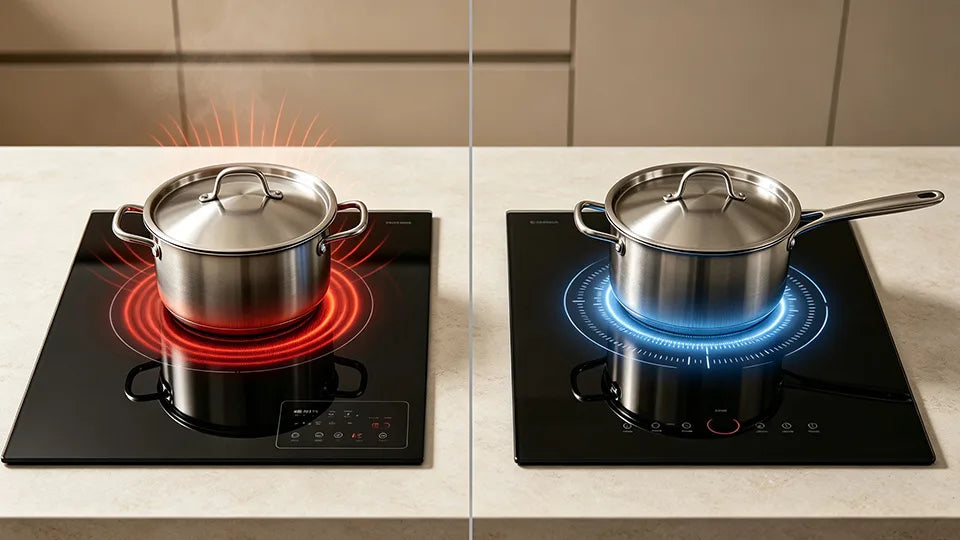
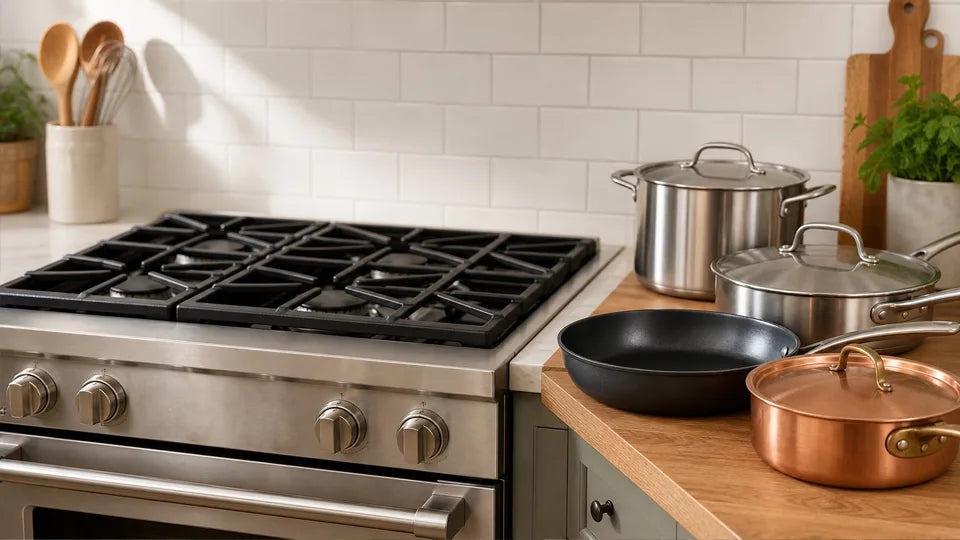
Yes, but only if the frying pan has an induction-compatible magnetic base. Many pans work on gas, electric stove, or electric cooktop surfaces, but induction requires specific construction. Always check the product label before buying.