How to Pan Fry a Steak With a Crispy Crust and Juicy Center
The best way to pan-fry a steak is to salt it early, dry the surface well, sear it in a very hot pan with high-smoke-point oil, baste it with butter and herbs, and then rest it before slicing.
This guide shows you exactly how to pan-fry a steak at home using a frying pan.
What Makes a Good Pan-Fried Steak?
A good pan-fried steak has a deep brown crust on the outside and a juicy center on the inside.
To achieve that result, you need three things: a dry steak, a hot pan, and enough resting time.
The crust comes from high heat and excellent contact with the pan. The juicy center comes from proper temperature control and resting the meat after cooking.
The Main Problems People Have When Pan-Frying Steak
Many home cooks run into the same issues:
- The steak sticks to the pan.
- The outside burns before the inside is properly cooked.
- The steak looks gray instead of browned.
- The kitchen fills with smoke.
- The steak loses all its juice when sliced.
- The butter burns and tastes bitter.
- The seasoning tastes uneven.
Each of these problems has a simple fix, and most of them happen before the steak even hits the pan.
How Thick Should the Steak Be?
For the best results, choose a steak that is about 1 to 1.5 inches thick.
A very thin steak can overcook before it develops a good crust.
A very thick steak may need to be finished in the oven after searing, especially if you want a medium or medium-well doneness.
If you are new to pan-frying steak, a 1.25-inch ribeye or New York strip is a great place to start.
What You Need to Pan-Fry a Steak
Ingredients
Use one steak, kosher salt, neutral high-smoke-point oil, butter, garlic, thyme, rosemary, and fresh black pepper.
Avocado oil and grapeseed oil are excellent choices because they tolerate high heat much better than many other oils.
Tools
You will need tongs, a spoon for basting, a cutting board, a sharp knife, and an instant-read thermometer.
Do not rely only on cooking time. A thermometer is the easiest way to avoid overcooking your steak.

How to Prepare Steak Before Pan-Frying
A good steak starts well before cooking.
The most important prep steps are salting early, drying the surface, and letting the steak warm slightly before it goes into the pan.
Salt the Steak Early
Aggressively salt the steak.
Thick steaks can handle more salt than many people think.
If you have time, salt the steak several hours ahead. For the best results, salt it up to one day ahead and store it uncovered in the refrigerator.
This accomplishes two useful things.
First, the salt dissolves and moves into the meat, seasoning it more evenly.
Second, the uncovered fridge rest dries the outside of the steak. A dry surface guarantees a significantly better crust.
Pull the Steak Out Before Cooking
Take the steak out of the refrigerator about 45 minutes before cooking.
This helps it warm up slightly, ensuring the inside cooks more evenly.
You do not need the steak to reach full room temperature. You just want to take the chill off.
Pat the Steak Dry
Right before cooking, pat the steak dry carefully with paper towels.
Moisture is the enemy of browning.
If the surface is wet, the pan has to evaporate water before it can sear the meat. That leads to a gray steak instead of a deep brown crust.
Do Not Add Black Pepper Too Early
Add fresh black pepper after cooking or while the steak rests.
Pepper can easily burn in a very hot pan and turn bitter.
Salt early. Pepper later.

How to Pan-Fry a Steak Step by Step
This method works beautifully for ribeye, strip steak, sirloin, and filet mignon.
Step 1: Heat the Pan
Place your cast iron pan, stainless steel pan, or skillet over medium-high heat.
Let it get very hot.
You want the pan hot enough that it starts to smoke slightly when the oil is added.
This is critical. If the pan is not hot enough, the steak may stick and steam instead of sear.
Step 2: Add High-Smoke-Point Oil
Add a small amount of neutral oil.
Use avocado oil, grapeseed oil, or another oil with a high smoke point.
Swirl the oil so it perfectly coats the cooking surface.
Do not add butter yet. Butter can burn quickly over high heat.
Step 3: Lay the Steak in the Pan
Place the steak into the hot pan carefully, laying it away from you to avoid dangerous oil splatter.
Press it down gently for a few seconds with tongs or a spatula.
This helps the steak make full contact with the pan.
Good contact means vastly better browning.
Step 4: Sear the First Side
Let the steak sear completely without moving it.
Do not keep lifting it.
Do not slide it around.
The steak will often release naturally when a crust forms. If it feels stuck, give it a little more time.
Step 5: Flip the Steak
Flip the steak once the first side has developed a good crust.
When you flip it, place it on a different part of the pan.
That area is usually hotter than the spot where the steak was originally sitting.
This gives the second side a much stronger sear.
Step 6: Sear the Second Side
Cook the second side until it also develops a deep brown crust.
At this stage, both sides should be browned, but the inside may not be done yet.
Now it is time to lower the heat and baste.
How to Butter-Baste Steak
Butter basting adds incredible flavor and helps cook the steak more gently after the hard sear.
Step 1: Lower the Heat
Turn the heat down to medium-low.
This helps absolutely prevent the butter from burning.
Step 2: Add Butter, Herbs, and Garlic
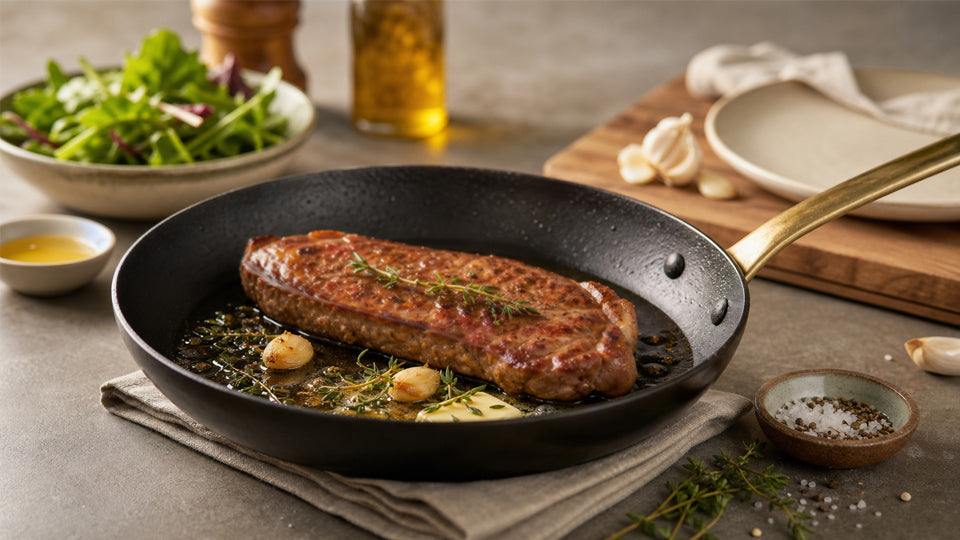
Add 3 to 4 tablespoons of butter to the pan.
Add 2 sprigs of thyme, 1 sprig of rosemary, and 2 lightly crushed garlic cloves.
The butter should foam and instantly pick up flavor from the herbs and garlic.
Step 3: Tilt the Pan
Tilt the pan slightly so the melted butter pools on one side.
Move the steak toward the higher side of the pan.
Step 4: Spoon Butter Over the Steak
Use a spoon to continuously baste the steak with hot butter.
Spoon the butter over the top again and again.
This adds flavor, helps cook the top surface, and gives the steak a gorgeous glossy finish.

What Temperature Should Pan-Fried Steak Be?
Use an instant-read thermometer. Do not rely only on time.
Steaks vary by thickness, starting temperature, fat content, and pan heat. Two steaks can take entirely different amounts of time even if they look similar.
Common Steak Temperatures
- Rare is usually around a 125°F final temperature.
- Medium-rare is usually around a 130°F final temperature.
- Medium is usually around a 140°F final temperature.
- Medium-well is usually around a 150°F final temperature.
- Well-done is usually around 160°F or higher.
For the juiciest result, many steak lovers prefer medium-rare or medium.

How Long to Pan-Fry Steak
Cooking time depends heavily on thickness and heat, so use time only as a rough guide.
A 1-inch steak may take about 6 to 8 minutes total.
A 1.5-inch steak may take about 8 to 12 minutes total.
A very thick steak may need oven finishing after the initial searing.
The better rule is this: sear for a crust, then precisely cook to temperature.
Why Resting Steak Matters
Do not cut into the steak right away.
Resting is one of the most important steps.
When steak cooks, moisture moves toward the outside. If you slice it immediately, the juices run out onto the plate.
When the steak rests, the juices redistribute through the meat.
How Long Should Steak Rest?
A simple rule is to rest the steak for about as long as it cooked.
If the steak took 10 minutes to cook, rest it for at least 10 minutes.
Place it securely on a cutting board or warm plate.
Do not cover it tightly with foil, or the beautiful crust may soften.
Final Seasoning Before Serving
While the steak is resting, add fresh ground black pepper.
This prevents the pepper from burning during the high-heat sear.
If the steak is very thick, you can add a small pinch of finishing salt.
You can also spoon a little browned herb butter from the pan over the top.
This gives the steak extraordinary extra flavor without making the crust soggy.
How to Slice Pan-Fried Steak
Use a sharp knife. Slice against the grain when possible.
Cutting against the grain physically shortens the muscle fibers and makes the steak feel significantly more tender.
For a ribeye or filet, slicing is simple. For cuts like sirloin or flat iron, look closely at the direction of the muscle fibers before cutting.

What to Serve With Pan-Fried Steak
A good steak does not need much, but the right sides make it feel like a full meal.
Serve pan-fried steak with roasted potatoes, sautéed mushrooms, green beans, asparagus, a crisp salad, mashed potatoes, or garlic butter vegetables.
A ceramic saucepan or medium saucepan can also work exceptionally well for preparing simple sauces and sides.
What Cookware Should You Keep in a Steak-Friendly Kitchen?
You do not need every pan. But a practical cookware set can make cooking so much easier.
Useful Pieces for Everyday Cooking
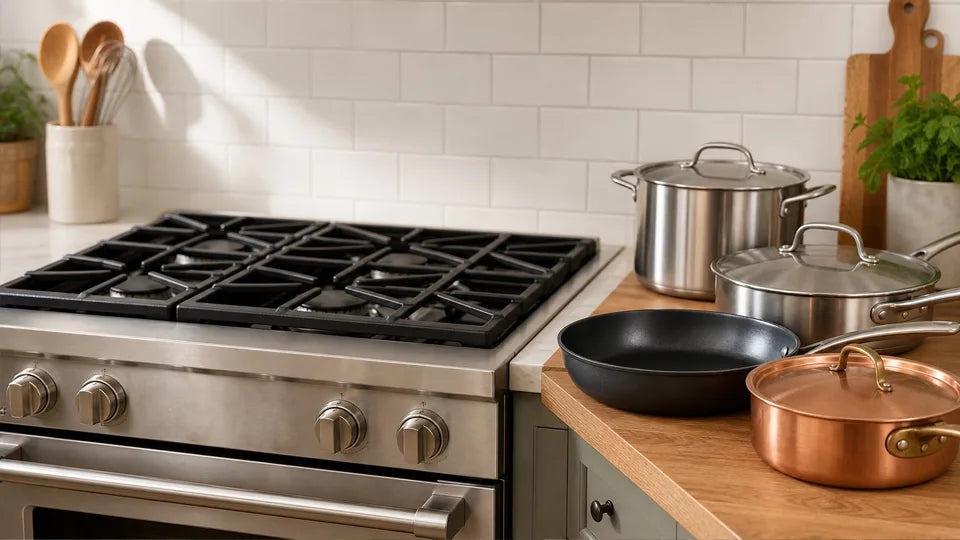
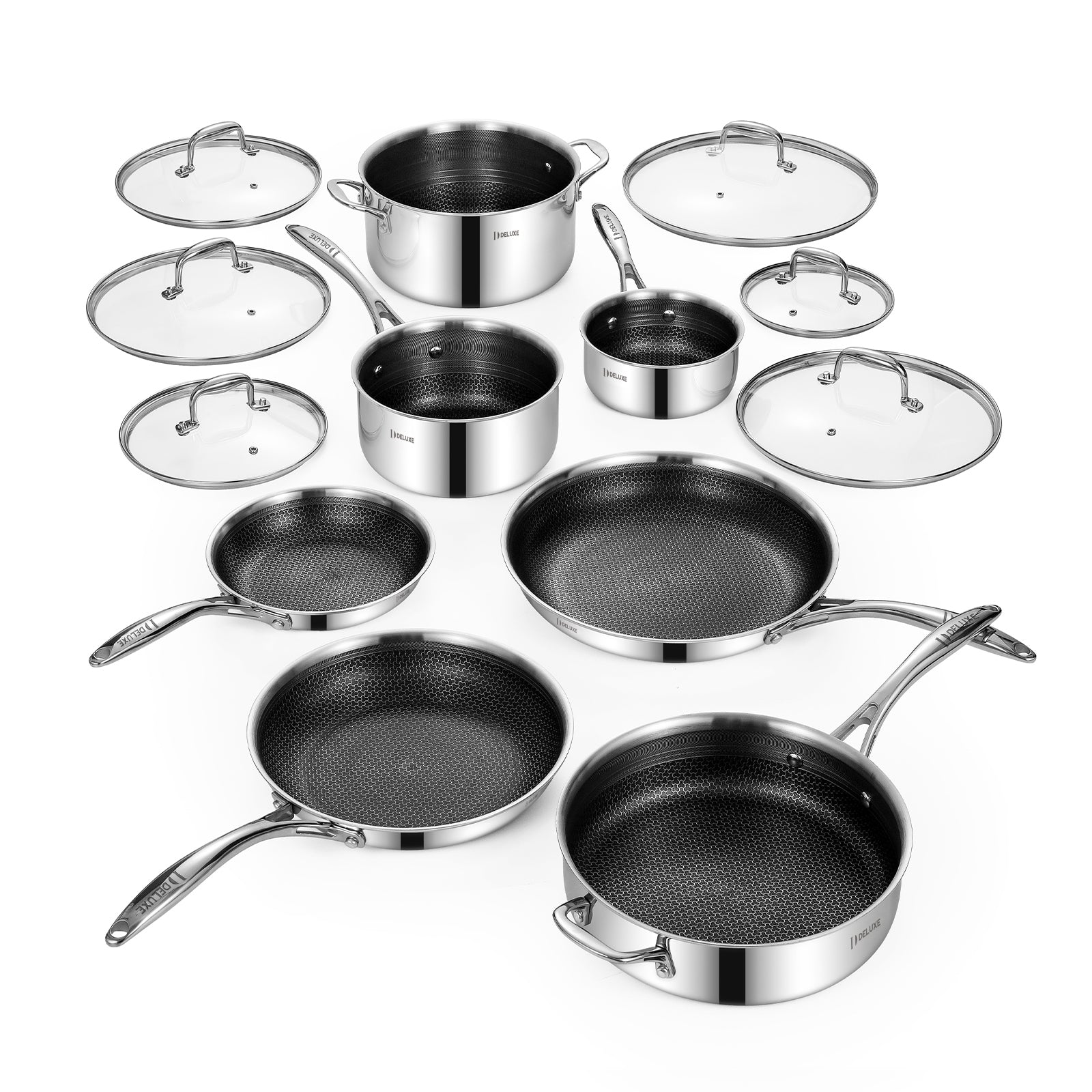
A good kitchen can include a stainless steel frying pan for steak, a large skillet for family meals, a saucepan for sauces, a large stainless steel pot for pasta, and a ceramic pan for eggs.
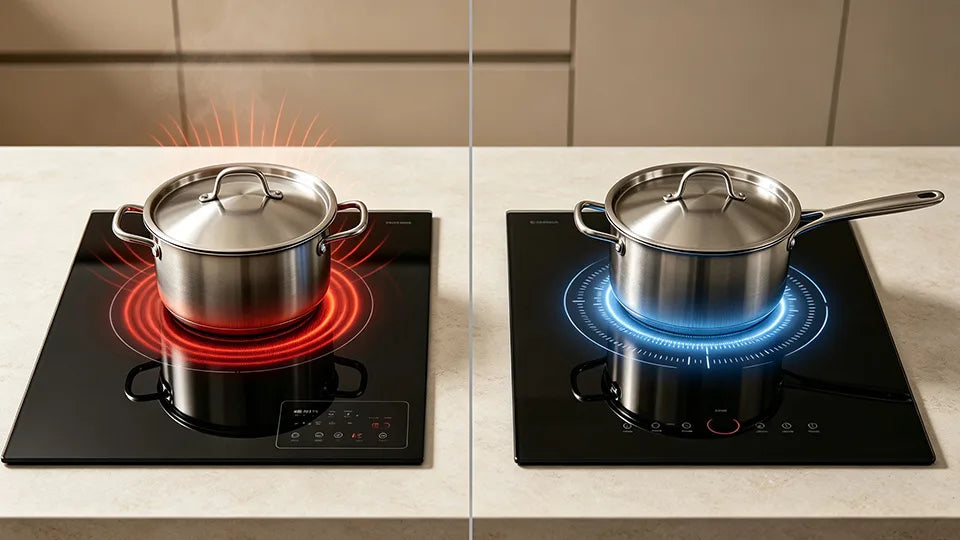
If you cook on induction, choose induction cookware or induction-compatible cookware.
If you cook on a glass stove, look for flat-bottom pans and the best cookware for glass-top stoves.
A Gentle Product Note
If you are upgrading your pots and pans, look for high-quality cookware that perfectly fits how you actually cook.
For steak, prioritize heat retention, an oven-safe design, and a surface that can beautifully brown meat.
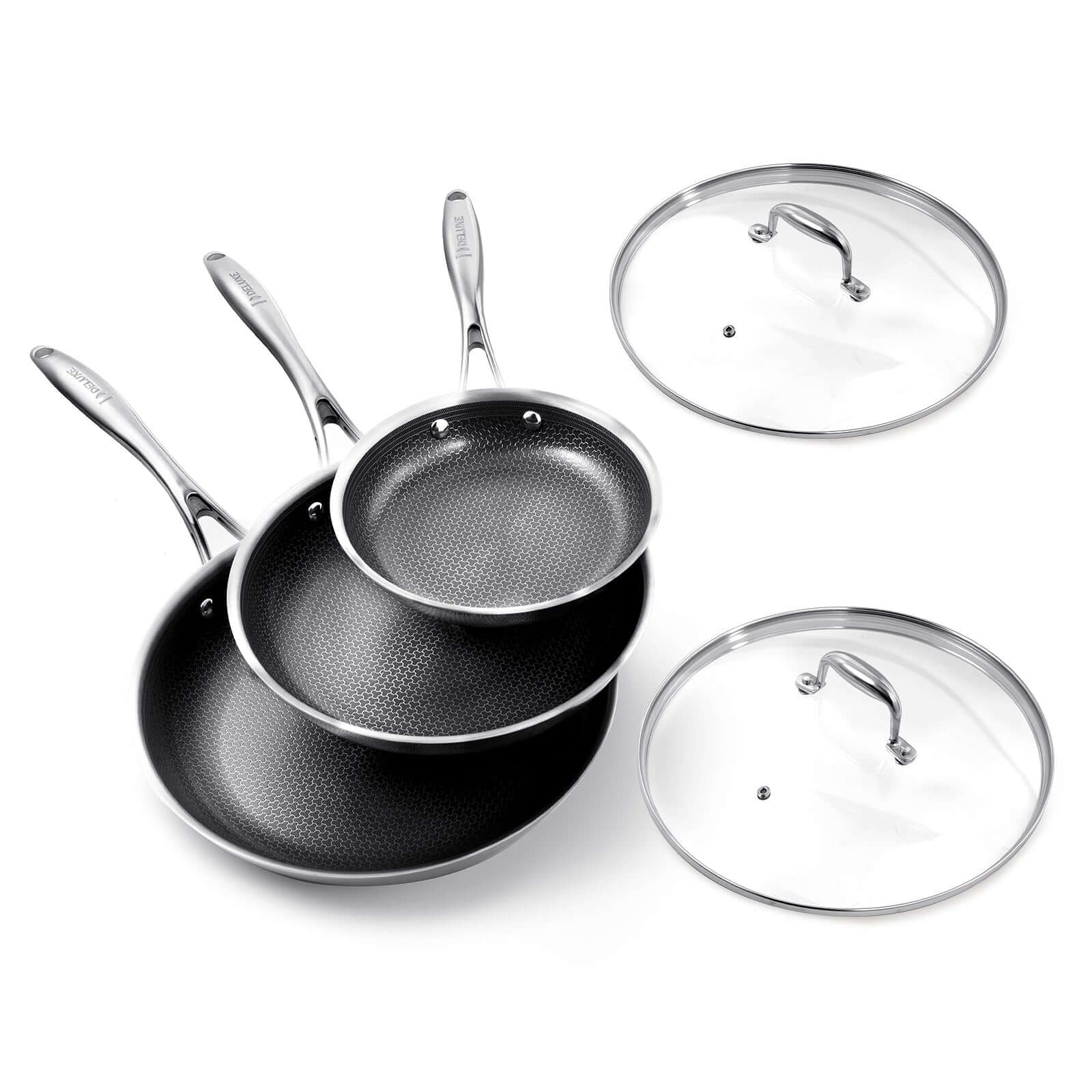
For eggs and quick cleanup, a PFAS-free cookware option, ceramic nonstick cookware, or a non-toxic cookware set may be incredibly useful.
The best cookware is not one single pan. It is the right pan for the right job.
Pan-Fry Steak the Right Way
Pan-frying steak is beautifully simple when you follow the right order.
Salt early. Dry the surface. Use a very hot pan. Sear with high-smoke-point oil. Baste with butter, herbs, and garlic. Check the temperature with a thermometer. Rest before slicing.
If you follow those steps, you can get a crisp crust and juicy center entirely without a grill.
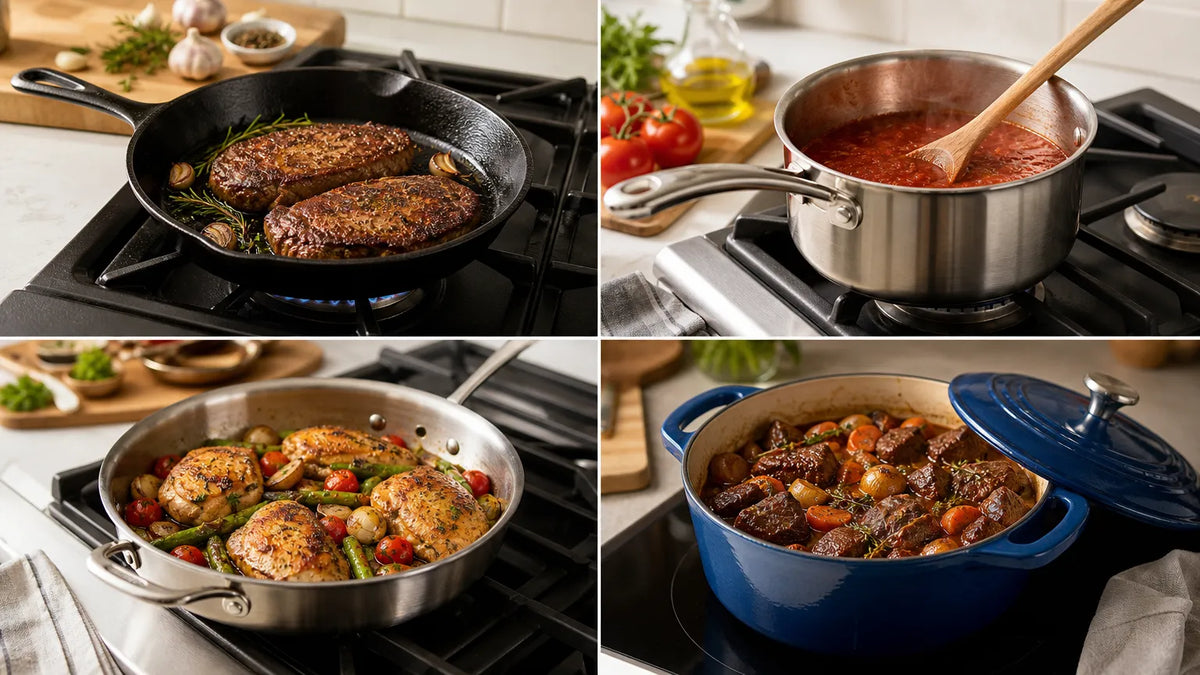
The right pan also matters. Stainless steel pans, cast iron, and hybrid cookware are exceptionally strong choices for steak, while ceramic nonstick cookware and nonstick pans are better saved for eggs, omelets, and delicate foods.
FAQ About Pan-Frying Steak
How do you pan-fry a steak without drying it out?
Salt it early, dry the surface, sear it in a hot pan, use a thermometer, and heavily rest it before slicing. Pull the steak before it reaches the final temperature because carryover cooking will continue after it leaves the pan.
Should I use butter or oil to pan-fry steak?
Use oil first, then butter later. Start with a high-smoke-point oil such as avocado or grapeseed oil for the sear. Add butter after lowering the heat so it does not burn.
Why does my steak stick to the pan?
Steak usually sticks because the pan is not hot enough, the steak surface is too wet, or you moved it too early. Let it sear until it naturally releases.
Can I cook steak on an induction cooktop?
Yes, if your pan is completely induction-compatible. Use induction cookware, stainless steel induction cookware, or an induction pan with a magnetic base that sits flat on the cooktop.