What Pans Does a Beginner Cook Really Need?
Starting a kitchen from scratch is often a daunting task for a novice chef. With thousands of options ranging from budget-friendly aluminum to high-end copper, finding the best cookware set can feel like an overwhelming logistical puzzle. However, you do not need a professional kitchen's worth of equipment to cook delicious meals. This guide simplifies the process, identifying the essential pans every beginner needs and how to choose tools that balance performance, durability, and ease of use.
Essential Cookware Every Beginner Needs
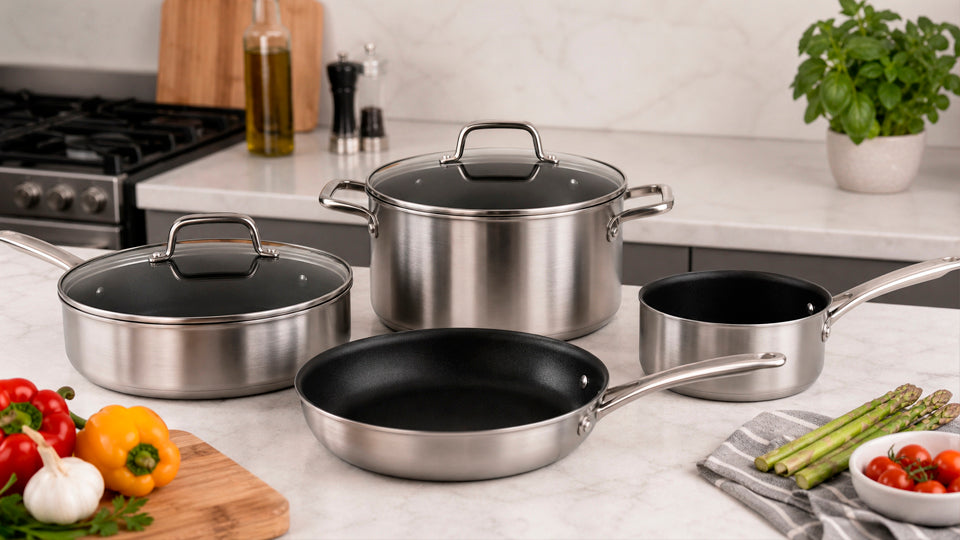
A beginner’s kitchen does not require twenty different vessels to be functional. In reality, most daily recipes can be completed using just three or four specific pieces of hardware. Understanding the purpose of each pan helps you avoid clutter and focus your budget on quality over quantity.
The Versatile 10-Inch Skillet
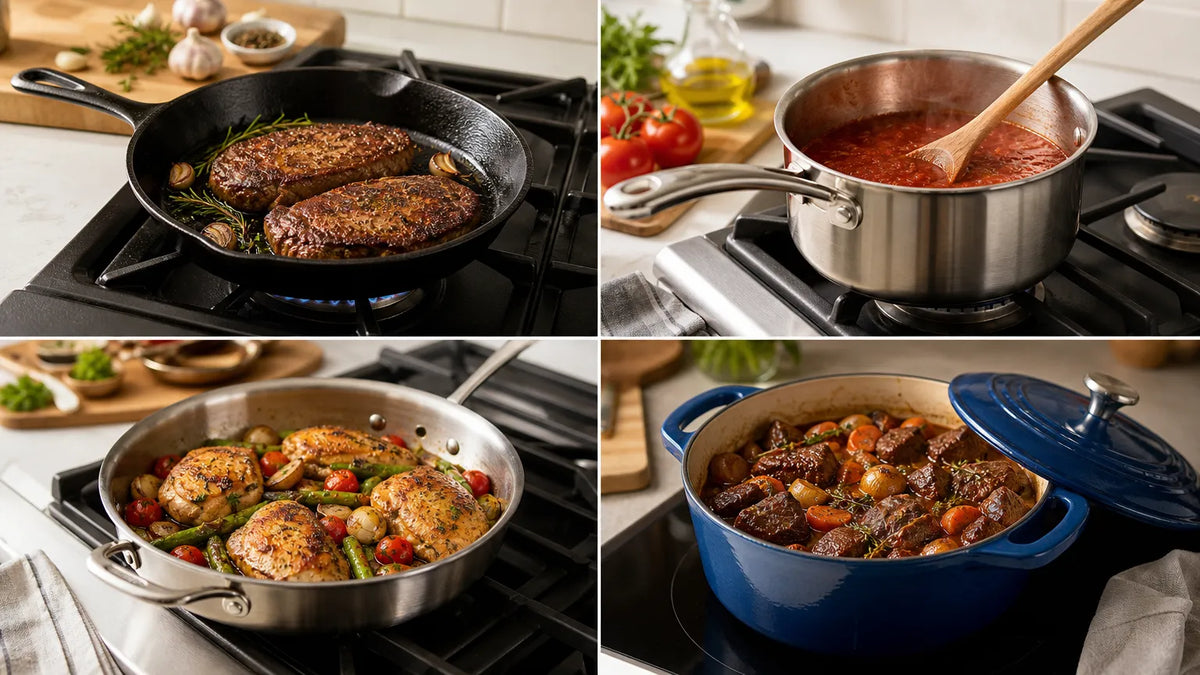
The frying pan, or skillet, is the most used tool in any kitchen. For a beginner, a 10-inch or 12-inch pan is the ideal size. This is the primary tool for the "Breakfast Scenario": a quick morning where you need a slick surface to slide eggs onto a plate. It is also used for browning ground meat for tacos or searing a piece of chicken. A good pots and pans set should always prioritize the quality of this specific piece.

The Reliable 3-Quart Saucepan
A medium-sized saucepan is essential for liquids and grains. Imagine the "Side Dish Scenario": you need to simmer a batch of rice, reheat a jar of marinara sauce, or melt butter for a baking project. The high sides of a saucepan prevent evaporation and splattering, making it the perfect vessel for controlled, moderate-heat cooking. It is a fundamental component for anyone starting their culinary journey.

The High-Capacity 8-Quart Stockpot
Every kitchen needs one large pot for bulk tasks. This is for the "Pasta Night Scenario": boiling a large volume of water for spaghetti or preparing a big batch of vegetable soup. A stockpot is also useful for blanching vegetables or making homemade broth. Because it handles high volumes of liquid, it is a foundational part of any best cookware set for beginners.

Do Beginners Need a Full Pots and Pans Set?
Retailers often push 10-piece or 12-piece bundles, but a beginner must weigh the convenience of a package against the practical reality of their storage space and cooking habits.
Advantages of Buying a Complete Bundle
Purchasing a full cookware set offers immediate consistency. All your lids will fit multiple pans, and the heating characteristics will be uniform across all pieces. Economically, buying a set is often more cost-effective than purchasing five or six individual pans separately. This is usually the best route for someone moving into their first apartment who currently owns no kitchen equipment.
Avoid the "Filler Pan" Problem
The primary issue with very large sets is the inclusion of "filler" items. Many 12-piece sets include tiny milk pans or specialized crepe pans that a beginner may rarely use. These items take up valuable cabinet space and can drive up the initial price. If you find a 5-piece or 7-piece cookware set for beginners, it usually covers the essentials without adding unnecessary clutter to your cupboards.
Evaluate Storage and Cabinet Organization
For those in small city apartments, "stackability" is a feature to prioritize. Some sets are designed specifically to nest inside each other, which can save up to 50% of cupboard space. Before making a purchase, it is helpful to measure your largest cabinet to ensure a long-handled skillet or a wide stockpot will actually fit inside comfortably without forcing you to store them on the stovetop.

Key Differences Between Cookware Set Types
When shopping, you will see a variety of materials and coatings. The technical labels in online stores—such as a non-stick cookware set or cooking pots—refer to how the pans are coated and how they manage food release.
Traditional Non-Stick Coatings
Non-stick pans are often considered the gold standard for ease of use. They require very little oil and make the cleanup process effortless after cooking messy foods. However, they are generally designed for low to medium heat settings. If you frequently cook delicate foods like fish or omelets, having at least one non-stick surface is highly beneficial for preventing frustration.
Ceramic and Eco-Friendly Alternatives
Ceramic is a popular "natural" alternative to traditional coatings. It is often marketed as being free of PFOA and PFAS. While ceramic surfaces offer excellent food release initially, they can be more sensitive to surface scratches. This material is widely available in many non-stick cookware configurations and is suitable for those who prefer a modern aesthetic and easy maintenance.
Hybrid Composite Technology
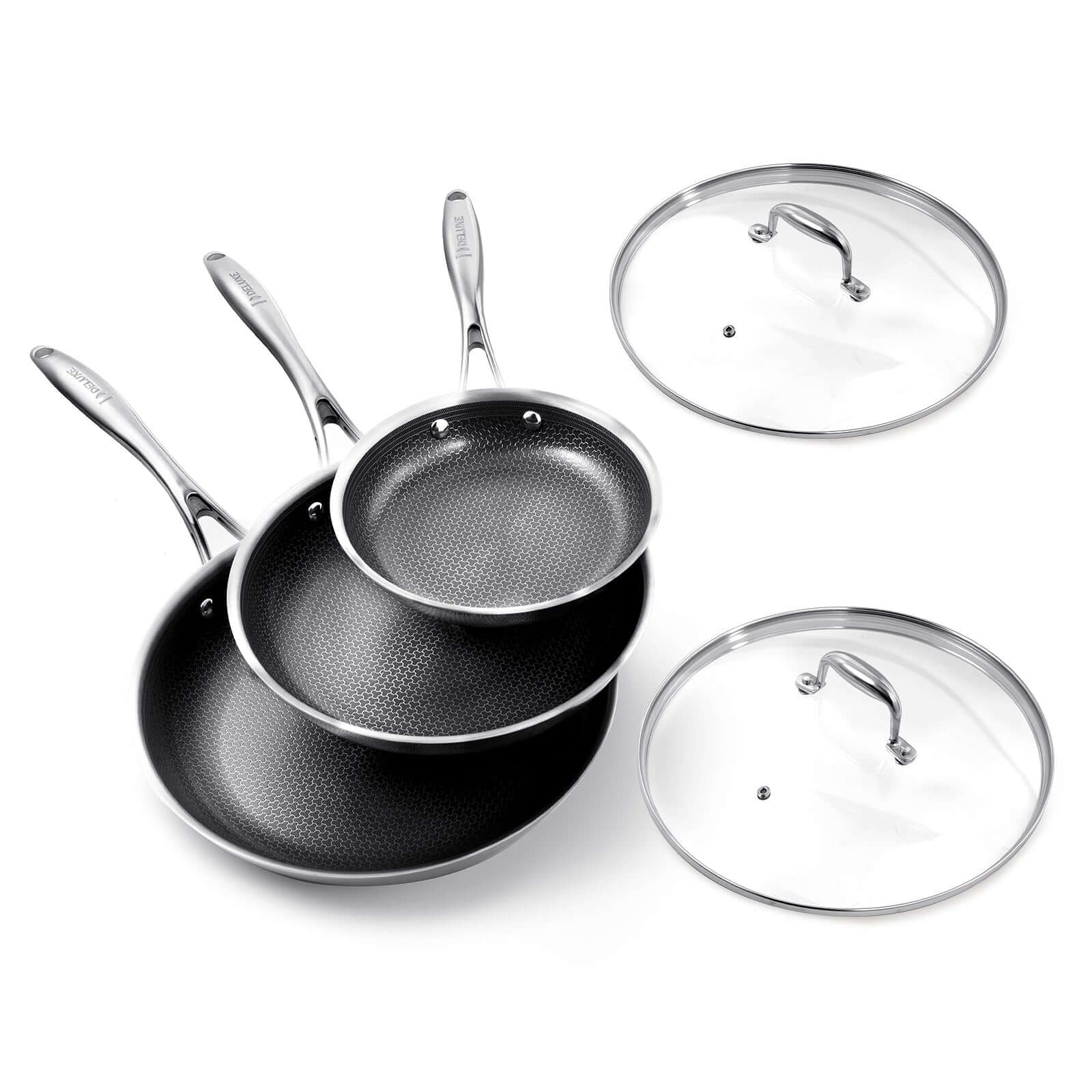
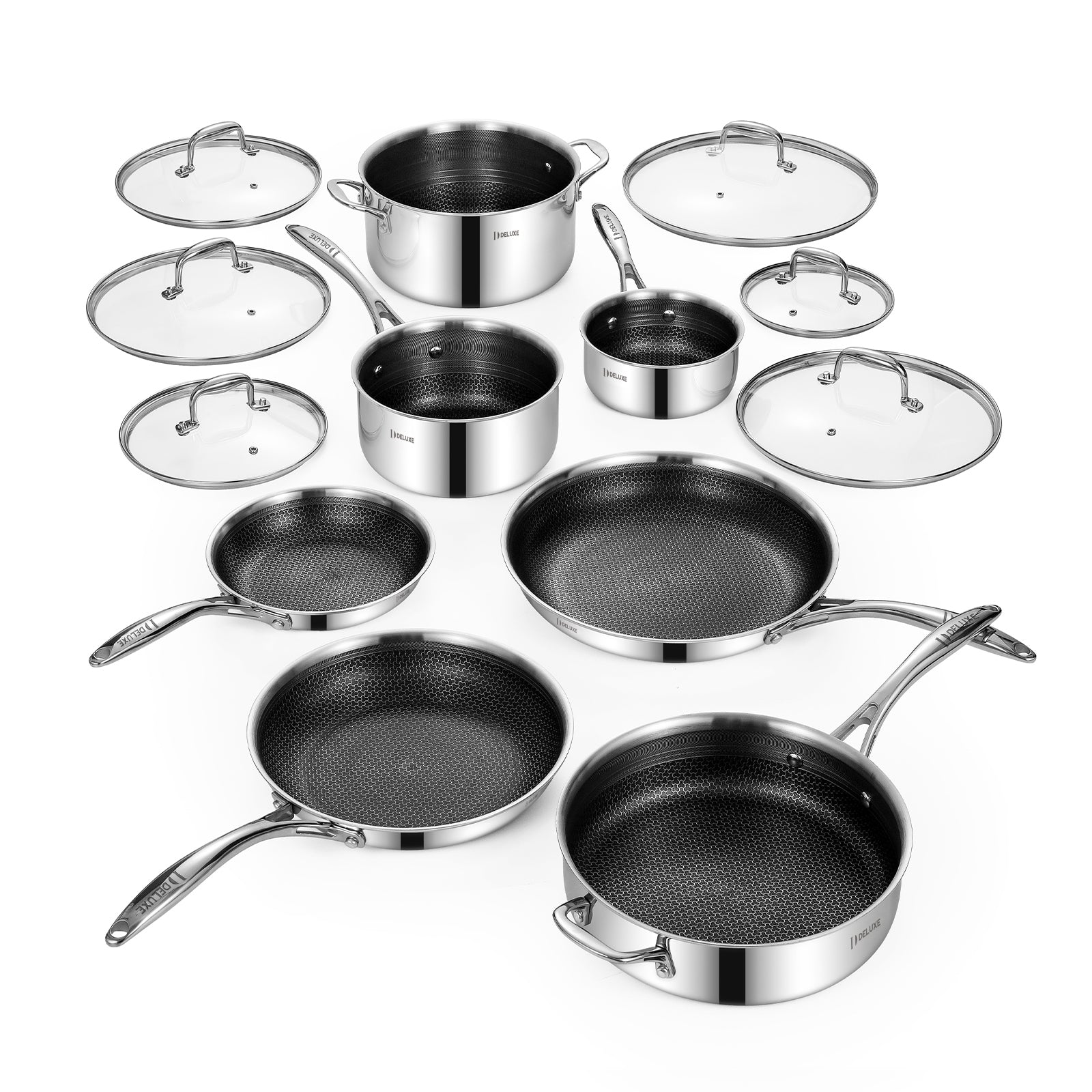
A more recent innovation in the market is the hybrid pan, which features a raised stainless steel matrix over a recessed ceramic non-stick layer. This design allows you to use metal utensils without damaging the coating, as the metal peaks protect the non-stick valleys. This technology is becoming a popular choice for beginners who want the durability of steel with the convenience of a non-stick surface in a single cookware set.
How to Decide How Many Pans You Really Need
Your individual lifestyle and dietary habits dictate your equipment needs more than any generic checklist. A person living alone has different requirements than someone who enjoys hosting weekend dinner parties.
Assess Your Cooking Frequency
If you only cook two or three times a week, a three-piece "starter" kit is likely sufficient. However, if you plan to meal-prep on Sundays, you will need multiple pans of the same size. For instance, you might need two saucepans—one for grains and one for a sauce—to be working on the stove simultaneously to save time.

Match Equipment to Your Favorite Recipes
Think about what you actually eat. If you are a fan of stir-fries, a flat-bottomed wok might be more useful to you than a traditional skillet. If you mostly eat pasta and steamed vegetables, prioritizing a high-quality stockpot with a steamer insert is a smarter move. A good pots and pans set is one that aligns with your specific menu preferences rather than just being a collection of random sizes.
Plan for Future Skill Growth
While you might be a beginner now, your skills will likely improve over the next year. Buying a slightly more advanced pots and pans set ensures you won't outgrow your tools too quickly. Investing in pans that can transition from the stovetop to the oven, for example, allows you to try more complex recipes like frittatas or pan-roasted meats as you become more confident.
Choose Between Non-Stick and Stainless Steel
The biggest debate for beginners is whether to go with a "slick" surface or a professional metal surface. Each material requires a different approach to heat management.
The Benefits of Stainless Steel
A stainless steel pots and pans set is prized for its extreme longevity. Unlike coated pans, which eventually wear out, stainless steel can last a lifetime with proper care. It is excellent for "The Sear Scenario," where you want a golden-brown finish on proteins. The "fond" (the brown bits left on the pan) is the secret to making flavorful pan sauces, a technique every beginner should eventually learn.
Manage the Learning Curve
Stainless steel can be frustrating for beginners because food may stick if the pan is not used correctly. It requires a bit more fat (oil or butter) and careful attention to the "water droplet test" to ensure the surface is ready. However, it is generally dishwasher safe and can handle metal spatulas without any risk of flaking, making a stainless steel set a highly durable investment.
Maintain Your Cookware for Longevity
Regardless of the material, how you clean your pans affects their lifespan. While many stainless steel options are labeled as dishwasher safe, hand-washing with a soft sponge is usually the better choice for maintaining the shine. For non-stick sets, avoiding abrasive scrubbers and using silicone tools will ensure the surface remains effective for years rather than months.
What Makes a Good Pot and Pan Set?
Quality is determined by how well the pan manages heat. A "hot spot" in a pan will cause your food to burn in one area while remaining raw in another, which is a common source of frustration for new cooks.
Assess Heat Conductivity and Construction
Look for "Fully Cladded" or "Tri-Ply" construction. This means a layer of highly conductive metal, like aluminum, is sandwiched between layers of stainless steel. This ensures the heat moves up the sides of the pan, not just the bottom. A premium pot and pan set will usually feel heavy in your hand; weight is often a reliable indicator of thick metal layers that prevent the base from warping over time.
Hardware and Handle Integrity
Check the rivets. Handles that are physically riveted onto the pan are much more secure and durable than those that are just spot-welded. Additionally, look for "stay-cool" handles made of hollow stainless steel or silicone. These allow you to move the pan on the stovetop during standard cooking sessions without always needing an oven mitt, which improves safety for beginners.

The Importance of Well-Fitting Lids
A good pots and pans set should include lids that fit snugly. Tight lids trap steam and moisture, which is essential for cooking rice or simmering stews. Glass lids are often preferred by beginners because they allow you to monitor the food's progress without lifting the lid and losing heat. Check that the lids have steam vents to prevent liquids from boiling over during standard use.
Best Cookware Set for Everyday Cooking
For most people, the ideal solution is a set that balances performance with a manageable price point. You want tools that feel professional but remain easy to maintain.
Finding Value vs. Price
When searching for the best pot and pan set, avoid the absolute cheapest options at general retailers. Extremely thin pans warp easily and provide poor results, often leading to burnt meals. Spending a bit more on a mid-range cookware set for beginners will actually save you money over time because you won't have to replace the entire collection every twelve months.
The Case for Hybrid Sets
Many modern cooks find that a hybrid set provides the most versatility. By using a non-stick cookware set that incorporates stainless steel durability, you get a tool that can handle almost any recipe. This reduces the need to own ten different specialized pans, keeping your kitchen organized and your cooking process streamlined.
Final Selection Strategy
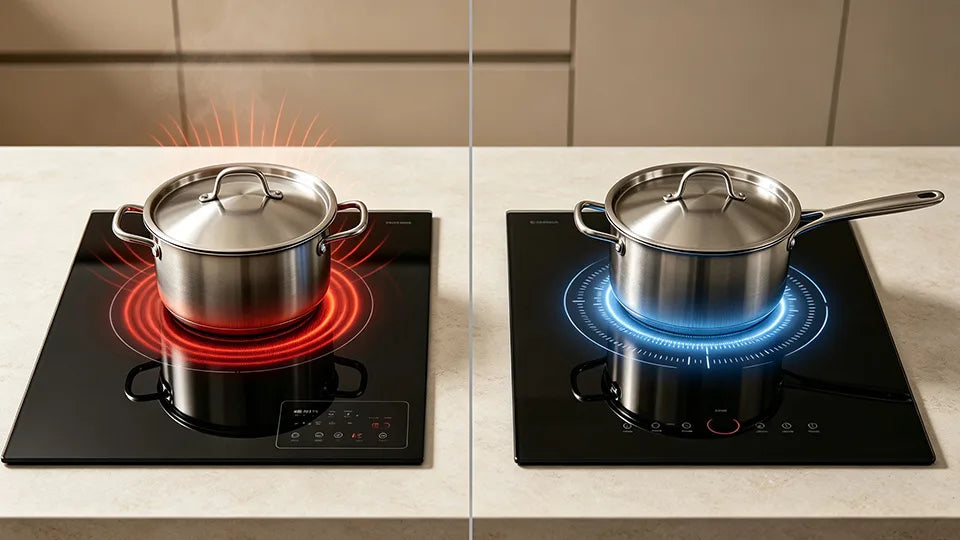
Before buying, read the warranty information. A manufacturer that offers a 10-year or lifetime warranty is usually confident in their product's durability. Whether you choose a pot and pan set based on its non-stick properties or its professional steel construction, ensure it feels comfortable in your hand and fits your specific stove type, especially if you use induction.
Choose the Right Cookware Today
A beginner cook does not need an exhaustive collection to master the kitchen. By focusing on a high-quality skillet, a versatile saucepan, and a sturdy stockpot, you can tackle nearly any recipe with confidence. Whether you choose a cookware set for its immediate convenience or assemble your own collection over time, prioritize heat distribution and handle comfort. Invest in the right tools today, and you will find that cooking becomes a much more successful and rewarding part of your daily routine.
FAQs About Cookware Basics
Should I buy a non-stick or stainless steel set as my first purchase?
It depends on your preference for maintenance. If you want the easiest cleanup and are comfortable using moderate heat, a non-stick cookware set is an excellent choice. If you prefer tools that last a lifetime and don't mind learning a few techniques to prevent sticking, stainless steel is a better long-term investment.
What is the most important pan for a beginner to own?
The 10-inch frying pan or skillet is widely considered the most important pan. It is versatile enough for breakfast, lunch, and dinner, handling everything from fried eggs to sautéed vegetables and seared proteins. It is the workhorse of the modern kitchen.
Is it safe to use metal utensils on non-stick pans?
Generally, it is better to avoid it. Metal utensils can scratch many non-stick coatings, which may cause the surface to lose its release properties. However, some modern hybrid sets are specifically designed to be metal-utensil safe. Always check the manufacturer's guidance for your specific pot and pan set.
How do I know if my stainless steel pan is ready for food?
For a stainless steel pots and pans set, you can use the "water droplet test." Sprinkle a few drops of water on the surface; if they sizzle and disappear, it is not ready. If they bead up and "dance" across the surface like marbles, the pan has reached the optimal temperature for preventing food from sticking.
Can I put my new cookware set in the dishwasher?
While many manufacturers state their products are dishwasher safe, hand-washing is often recommended to extend the life of the surface. Dishwasher detergents can be abrasive and may dull the finish of stainless steel or accelerate the wear of non-stick coatings over several years of use.